Tag: Director

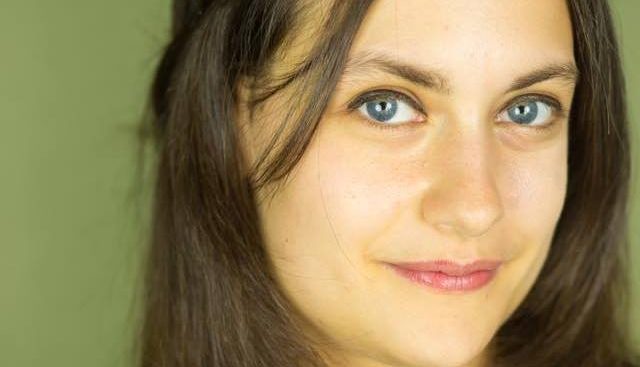
  • Monique Efta

    Monique Efta

    “You don’t need permission to begin, and you don’t have to have it all figured out to take the first step.”

    Producer, Director, Writer — @monique.efta


    What pulled you into film and TV in the first place?

    Some of my earliest memories are of being completely fascinated by awards shows. The Oscars, the Emmys, the Grammys, I loved all of it. I honestly couldn’t tell you why. I just remember being excited by that world from a really young age.

    Being from such a small town in Minnesota, I never thought film or television was something I could actually be a part of. At the time, I thought acting was basically the only way into that world, and acting didn’t feel like a possibility for me. I didn’t even understand how many other people it took to tell those stories, so filmmaking wasn’t something I considered.

    That changed much later in my life.

    I grew up extremely religious and at some point realized I was questioning my sexuality. I found I was looking for myself in the world around me. I was looking at music, film and television, at other people’s stories, trying to find something that reflected back to me that the life I was beginning to imagine for myself was possible. That’s when I really began to understand why visibility matters.

    Later, after leaving an abusive relationship, I found myself at another crossroads, asking what I actually wanted my life to be. And one of the things that became very clear was that I wanted to be part of creating that visibility for someone else.

    I wanted to tell the kinds of stories that might help someone recognize themselves, feel less alone, or see a possibility for their life that they couldn’t see before.

    Looking back, it’s interesting that I was drawn to this world long before I knew there was a place for me in it. I just had to find my way there.

    What do you think the industry gets most wrong about women like you?

    I think the industry still has a very narrow idea of when a woman’s story is interesting and what an interesting woman is supposed to look like.

    I didn’t even start thinking about being a filmmaker until I was 36. I came out as a lesbian later in life. I’ve changed careers, questioned everything I once believed, started over more than once, left an abusive relationship, fallen in love again, and continued figuring out who I am along the way. My life didn’t become less interesting as I got older, it became more interesting.

    I think we still see so much emphasis on youth, especially when it comes to women, when there are incredibly rich stories happening in the middle of people’s lives. Women are starting over. They’re coming out. They’re leaving marriages or religions or careers. They’re discovering parts of themselves they didn’t have access to when they were younger.

    And I don’t think those stories are only valuable to the women living them. They’re human stories.

    I also think we underestimate how powerful it is to see someone on screen who doesn’t have everything figured out by 25. Sometimes the most meaningful representation isn’t seeing someone who already knows exactly who they are. It’s seeing someone realize they still have permission to become someone new.

    What does success mean to you?

    Success to me isn’t based on income, how many films I’ve made, or whether people know my name. It’s when someone tells me they identified with something in one of my films or something they’ve heard me talk about. If something I’ve created makes someone feel seen, less alone, or even a little more hopeful about their own life, that feels like success to me.

    We live in a capitalist society that tends to assign value to art, and to people, based on how much money they make or how much recognition they receive. I don’t believe those things are the same as worth. A film not making a lot of money doesn’t mean it wasn’t good. Maybe the filmmaker didn’t have the money or connections to get it in front of a larger audience. So much of what we traditionally call success can also be influenced by access and privilege, who you know, where you grew up, and what opportunities you were exposed to.

    I struggled for a long time to even call myself a filmmaker because I wasn’t making a lot of money doing it. I’ve done a tremendous amount of work for free, to learn, build my skills, meet people, and create opportunities for myself. Starting later in life makes that even more challenging, especially as a woman. I entered this industry at 36 knowing absolutely nothing about how it worked and without an established network. In an industry where so much can depend on relationships, and where those relationships can sometimes feel transactional, building from the ground up is incredibly difficult. I didn’t grow up around this world or have a built-in path into it. I’ve had to learn it, build those relationships, and find my place as I went.

    Eventually I realized: I’m a filmmaker because I make films. And anyone who has managed to make even one knows how damn hard that is.

    So for me, success is continuing to create, continuing to grow, and hopefully making something that reaches another human being. That’s worth more to me than whether or not everyone knows my name.

    What are you most proud of that most people don’t know about?

    I’m probably most proud of how many times I’ve been willing to start over.

    There are parts of my life people see now, the films, festivals, projects, the person I’ve become, but they don’t necessarily see how much rebuilding it took to get here.

    I’ve had to question things I believed for most of my life, figure out who I was outside of what I had been taught I was supposed to be, come out later in life, leave an abusive relationship, and rebuild again. At the same time, I was trying to find my place in an industry I knew absolutely nothing about when I entered it.

    There were a lot of moments when it would have been easier to choose what was familiar, even when familiar wasn’t making me happy.

    I’m proud that I kept choosing myself anyway.

    I’m proud that at an age when we’re sometimes made to feel like we’re supposed to have everything figured out, I was willing to admit that I didn’t, and start creating a life that actually felt like mine.

    People may see the things I’m creating now, but I think what I’m most proud of is the person I had to become in order to create them.

    What keeps you going when the industry makes it hard?

    Honestly, sometimes I don’t know. There have been plenty of moments when I’ve wanted to quit (every other week at first, now maybe like once a quarter lol). This industry can be exhausting. There’s rejection, comparison, financial pressure, and so much uncertainty. You can pour everything you have into something and have no idea if anyone will ever see it.

    But then something happens that reminds me why I started. Someone connects with something I’ve made, or tells me they saw themselves in a story I told, and suddenly all of it feels worth it again. I know what it feels like to spend years trying to become who you think you’re supposed to be instead of who you actually are. Storytelling gave me a way to find my own voice, and now I want to use that voice to help other people find theirs.

    If something I create can make someone feel seen, help them understand themselves a little better, or give them the strength and courage to live more authentically, that’s enough to keep me going. I want the stories I tell, and even my own story, to speak into people’s lives and remind them that it’s never too late to become yourself.

    Anything else you’d like to share?

    I’m always looking to connect and collaborate with other creatives. I really believe that some of the best ideas are born when different creative worlds collide, which is actually why my creative partner, Lea Roman, and I recently started Creative Exchange (C/X) through our production company, Hippie and a Nun Productions.

    C/X brings together filmmakers, musicians, writers, comedians, photographers, painters, and artists of every kind to meet, inspire one another, and hopefully spark collaborations that might never have happened otherwise. One of the things I’ve learned throughout my own journey is how important community is, especially in an industry that can sometimes feel incredibly transactional. We want to help create spaces where artists can genuinely connect, support each other, and make things together.

    Through Hippie and a Nun Productions, Lea and I are also continuing to develop and create projects that reflect the kinds of stories and voices we want to see more of in the world. We’re always open to meeting filmmakers, writers, actors, musicians, artists, and other creatives who are passionate about what they do and interested in building something together.

    You can find more about our work at hippieandanunproductions.com and follow Hippie and a Nun Productions on Instagram @hippieandanunproductions.

    You can also follow me personally on Instagram @monique.efta and TikTok @moniqueefta, where I share more of my own journey, the filmmaking process, what it’s like building a creative career later in life, and pieces of my story around identity, deconstruction, starting over, and becoming more fully yourself.

    A lot of my story has been about realizing that there isn’t an expiration date on becoming who you are or pursuing the life you want. If sharing that journey makes someone else feel a little more seen or a little less afraid to start, then that’s something I want to keep doing.

  • Alexandria Morgan

    Alexandria Morgan

    “Not everything is going to go your way. It’s simple, but sometimes you do lose sight when you’re zoned in on a particular goal.”

    Director, Writer, Production Design — @a.kmorgan


    What pulled you into film and TV in the first place?

    I loved watching movies and TV as a kid; so much so that whenever I got in trouble, I’d usually get my TV privileges revoked. I always enjoyed escaping into another world and watching characters that you get to grow up with or aspire to grow up to be was always inspirational to me growing up. I knew that I had to be a part of it.

    What do you think the industry gets most wrong about women like you?

    I’m an introvert, so I think that whenever people look at me, it means that I’m a pushover, or I’ll agree to anything. What they don’t know is that I’m stubborn, so if I set my mind to something, or gather an opinion, it’s getting done.

    What does success mean to you?

    To me, success means achieving what you set out to do; even if it takes a long time to do it.

    What are you most proud of that most people don’t know about?

    It’s such a cliché, but my resilience. It’s so easy to give up, and I’ve had moments where I’ve questioned if I’m meant for this, but I know that I am, and that’s enough to keep me going.

    What keeps you going when the industry makes it hard?

    Knowing that there are so many Black stories waiting to be told; and knowing that I’ll be one of many Black filmmakers to tell them.

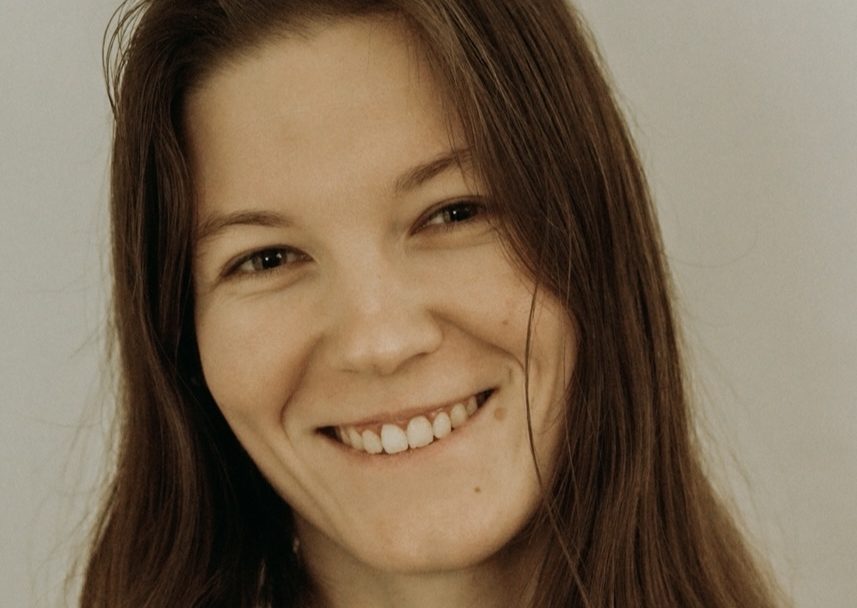
  • Lada Egorova

    Lada Egorova

    “Go make your own projects. Never wait for someone to approve of your project. Just because someone rejects your project doesn’t mean you should give up. You just haven’t found the right team yet.”

    Producer, Director, Writer — @lada.egorova_


    What pulled you into film and TV in the first place?

    The day I went to a movie theater as a kid and felt totally immersed into the story of the film that was playing on the screen. The power of stories to immerse you, inspire you and make you forget about the world for a moment and care about someone else’s story.

    What do you think the industry gets most wrong about women like you?

    That we are not as tough as men in terms of being able to work in the film industry. Which is totally false, women creatives are always the most organized and efficient on set. We are often given lower budget projects because men refused to take them and we are expected to “make it work” which we do always. We always pull it off, come with incredible ideas to bring a project to life, we never complain. We are as tough and skilled as men.

    What does success mean to you?

    Being able to financially be stable in my career, having the power to bring stories that I want to be seen on screen and support other filmmakers by helping them get their projects be made and seen.

    What are you most proud of that most people don’t know about?

    My streaming app Pocket Cinema that I have cofounded. It launches mid August 2026. It was created by me and my cofounder, two young creatives who are coming from the indie film world. Two Gen-Z who got tired of waiting to be greenlit and who wanted to make series too. So we created this platform where we aim to release elevated genre series in vertical formats as well as horizontal. Stories that push the filmmaking techniques, series made by a diverse cast and crew, series made by other indie filmmakers who are as passionate as we are about bringing stories to the screen.

    What keeps you going when the industry makes it hard?

    My love for movies and stories. A great movie will always inspire me again and make me want to get back into writing and creating.

  • Debra Markowitz

    Debra Markowitz

    “You are the only writer and filmmaker who can create with your heart.”

    Screenwriter & Director — @debramarkowitzfilms


    What pulled you into film and TV in the first place?

    I was a novelist first, and then I helped others create their stories through indie film while I acted as producer and casting director. When I tried my hand as screenwriter and director, I never looked back.

    What do you think the industry gets most wrong about women like you?

    Do not confuse my/our quiet demeanor, age, sex, potential differing abilities or stature for submissiveness. When we set a goal, we figure out how to do it. Our unique and empathetic way of creation can be boundless.

    What does success mean to you?

    Success to me is being able to tell the stories I want to tell using whichever medium works best and getting those stories and films to the people who need to see them while being able to pay my bills.

    What are you most proud of that most people don’t know about?

    My creativity is pretty boundless. It doesn’t take me long to build a world around a single thought, look, person or event.

    What keeps you going when the industry makes it hard?

    I’ve set myself up with income streams so that when things are tough financially, I can still make movies, albeit smaller movies. If things are really tight, I can write novels, stories and scripts. It’s all about the art of creation, and there are different ways to achieve that.

    Anything else you’d like to share?

    My latest feature, Wait List: A Love-ish Story became a Spotlight Film on Prime Video, is now screening on Tubi and GooglePlay and is headed to the Youtube channel next. You can find out more about Wait List: A Love-ish Story, my features which are currently in post production; Couple of Guys and From the Embers, where my short films are screening as well as upcoming projects at www.IntentionFilmsandMedia.com under Explore Our Films.  Some of my older shorts are our youtube channel @debramarkowitz On Instagram, I post news about the projects as well as casting and crew notices and many, many pictures of my dog at @debramarkowitzfilms

    As far as collaborators, the most important thing we need are producers who are able to raise funds, or those who understand how to promote the projects, find locations or other services for little or no money – the bane of every independent filmmaker’s existence.