Author: The Reel Women

  • Monique Efta

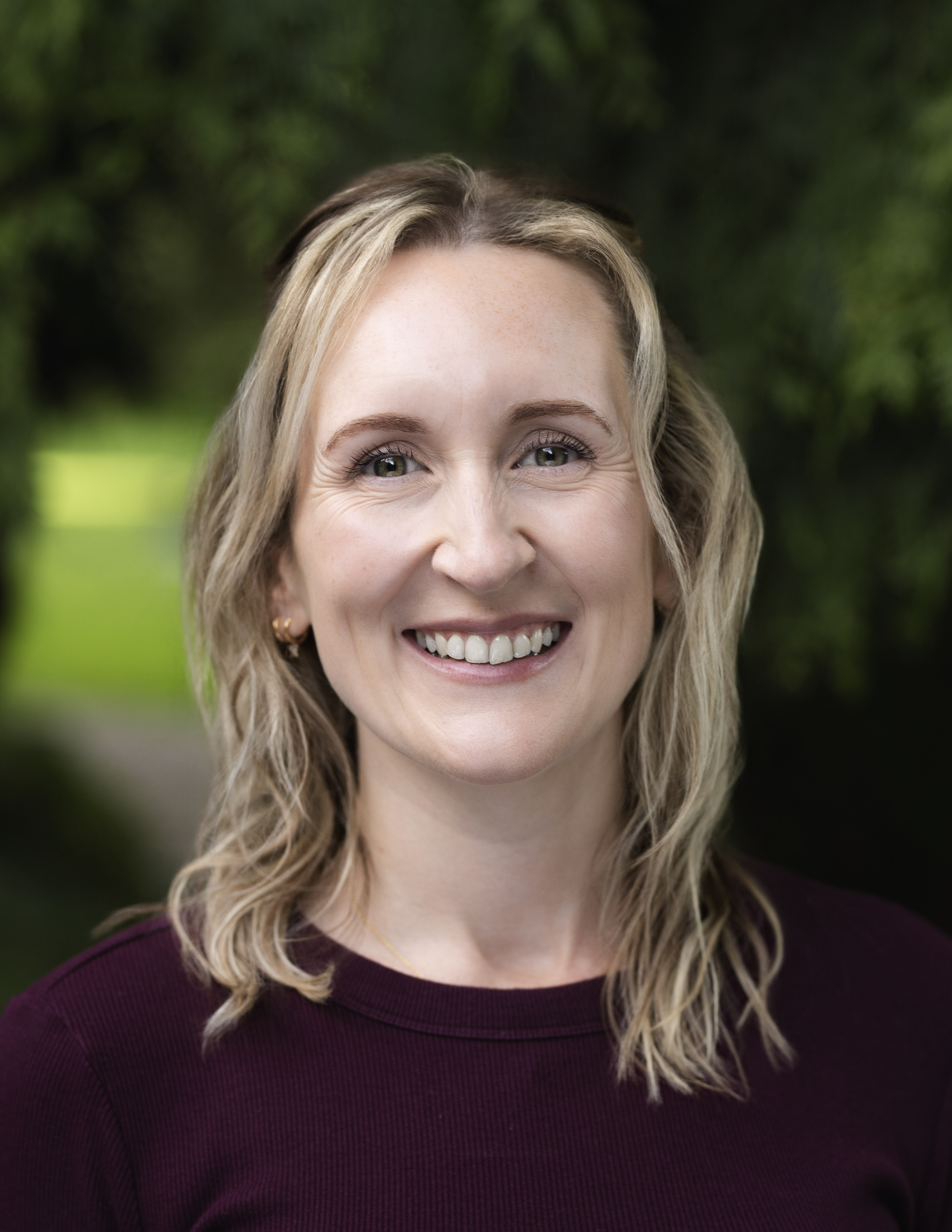
    Monique Efta

    “You don’t need permission to begin, and you don’t have to have it all figured out to take the first step.”

    Producer, Director, Writer — @monique.efta


    What pulled you into film and TV in the first place?

    Some of my earliest memories are of being completely fascinated by awards shows. The Oscars, the Emmys, the Grammys, I loved all of it. I honestly couldn’t tell you why. I just remember being excited by that world from a really young age.

    Being from such a small town in Minnesota, I never thought film or television was something I could actually be a part of. At the time, I thought acting was basically the only way into that world, and acting didn’t feel like a possibility for me. I didn’t even understand how many other people it took to tell those stories, so filmmaking wasn’t something I considered.

    That changed much later in my life.

    I grew up extremely religious and at some point realized I was questioning my sexuality. I found I was looking for myself in the world around me. I was looking at music, film and television, at other people’s stories, trying to find something that reflected back to me that the life I was beginning to imagine for myself was possible. That’s when I really began to understand why visibility matters.

    Later, after leaving an abusive relationship, I found myself at another crossroads, asking what I actually wanted my life to be. And one of the things that became very clear was that I wanted to be part of creating that visibility for someone else.

    I wanted to tell the kinds of stories that might help someone recognize themselves, feel less alone, or see a possibility for their life that they couldn’t see before.

    Looking back, it’s interesting that I was drawn to this world long before I knew there was a place for me in it. I just had to find my way there.

    What do you think the industry gets most wrong about women like you?

    I think the industry still has a very narrow idea of when a woman’s story is interesting and what an interesting woman is supposed to look like.

    I didn’t even start thinking about being a filmmaker until I was 36. I came out as a lesbian later in life. I’ve changed careers, questioned everything I once believed, started over more than once, left an abusive relationship, fallen in love again, and continued figuring out who I am along the way. My life didn’t become less interesting as I got older, it became more interesting.

    I think we still see so much emphasis on youth, especially when it comes to women, when there are incredibly rich stories happening in the middle of people’s lives. Women are starting over. They’re coming out. They’re leaving marriages or religions or careers. They’re discovering parts of themselves they didn’t have access to when they were younger.
    And I don’t think those stories are only valuable to the women living them. They’re human stories.

    I also think we underestimate how powerful it is to see someone on screen who doesn’t have everything figured out by 25. Sometimes the most meaningful representation isn’t seeing someone who already knows exactly who they are. It’s seeing someone realize they still have permission to become someone new.

    What does success mean to you?

    Success to me isn’t based on income, how many films I’ve made, or whether people know my name. It’s when someone tells me they identified with something in one of my films or something they’ve heard me talk about. If something I’ve created makes someone feel seen, less alone, or even a little more hopeful about their own life, that feels like success to me.

    We live in a capitalist society that tends to assign value to art, and to people, based on how much money they make or how much recognition they receive. I don’t believe those things are the same as worth. A film not making a lot of money doesn’t mean it wasn’t good. Maybe the filmmaker didn’t have the money or connections to get it in front of a larger audience. So much of what we traditionally call success can also be influenced by access and privilege, who you know, where you grew up, and what opportunities you were exposed to.

    I struggled for a long time to even call myself a filmmaker because I wasn’t making a lot of money doing it. I’ve done a tremendous amount of work for free, to learn, build my skills, meet people, and create opportunities for myself. Starting later in life makes that even more challenging, especially as a woman. I entered this industry at 36 knowing absolutely nothing about how it worked and without an established network. In an industry where so much can depend on relationships, and where those relationships can sometimes feel transactional, building from the ground up is incredibly difficult. I didn’t grow up around this world or have a built-in path into it. I’ve had to learn it, build those relationships, and find my place as I went.

    Eventually I realized: I’m a filmmaker because I make films. And anyone who has managed to make even one knows how damn hard that is.

    So for me, success is continuing to create, continuing to grow, and hopefully making something that reaches another human being. That’s worth more to me than whether or not everyone knows my name.

    What are you most proud of that most people don’t know about?

    I’m probably most proud of how many times I’ve been willing to start over.

    There are parts of my life people see now, the films, festivals, projects, the person I’ve become, but they don’t necessarily see how much rebuilding it took to get here.

    I’ve had to question things I believed for most of my life, figure out who I was outside of what I had been taught I was supposed to be, come out later in life, leave an abusive relationship, and rebuild again. At the same time, I was trying to find my place in an industry I knew absolutely nothing about when I entered it.

    There were a lot of moments when it would have been easier to choose what was familiar, even when familiar wasn’t making me happy.

    I’m proud that I kept choosing myself anyway.

    I’m proud that at an age when we’re sometimes made to feel like we’re supposed to have everything figured out, I was willing to admit that I didn’t, and start creating a life that actually felt like mine.

    People may see the things I’m creating now, but I think what I’m most proud of is the person I had to become in order to create them.

    What keeps you going when the industry makes it hard?

    Honestly, sometimes I don’t know. There have been plenty of moments when I’ve wanted to quit (every other week at first, now maybe like once a quarter lol). This industry can be exhausting. There’s rejection, comparison, financial pressure, and so much uncertainty. You can pour everything you have into something and have no idea if anyone will ever see it.

    But then something happens that reminds me why I started. Someone connects with something I’ve made, or tells me they saw themselves in a story I told, and suddenly all of it feels worth it again. I know what it feels like to spend years trying to become who you think you’re supposed to be instead of who you actually are. Storytelling gave me a way to find my own voice, and now I want to use that voice to help other people find theirs.

    If something I create can make someone feel seen, help them understand themselves a little better, or give them the strength and courage to live more authentically, that’s enough to keep me going. I want the stories I tell, and even my own story, to speak into people’s lives and remind them that it’s never too late to become yourself.

    Anything else you’d like to share?

    I’m always looking to connect and collaborate with other creatives. I really believe that some of the best ideas are born when different creative worlds collide, which is actually why my creative partner, Lea Roman, and I recently started Creative Exchange (C/X) through our production company, Hippie and a Nun Productions.

    C/X brings together filmmakers, musicians, writers, comedians, photographers, painters, and artists of every kind to meet, inspire one another, and hopefully spark collaborations that might never have happened otherwise. One of the things I’ve learned throughout my own journey is how important community is, especially in an industry that can sometimes feel incredibly transactional. We want to help create spaces where artists can genuinely connect, support each other, and make things together.

    Through Hippie and a Nun Productions, Lea and I are also continuing to develop and create projects that reflect the kinds of stories and voices we want to see more of in the world. We’re always open to meeting filmmakers, writers, actors, musicians, artists, and other creatives who are passionate about what they do and interested in building something together.

    You can find more about our work at hippieandanunproductions.com and follow Hippie and a Nun Productions on Instagram @hippieandanunproductions.

    You can also follow me personally on Instagram @monique.efta and TikTok @moniqueefta, where I share more of my own journey, the filmmaking process, what it’s like building a creative career later in life, and pieces of my story around identity, deconstruction, starting over, and becoming more fully yourself.

    A lot of my story has been about realizing that there isn’t an expiration date on becoming who you are or pursuing the life you want. If sharing that journey makes someone else feel a little more seen or a little less afraid to start, then that’s something I want to keep doing.

  • Flóra Fecske

    Flóra Fecske

    “I am so much more than my work, and I have so much more within me to offer.”

    Cinematographer@flora_fecske_hca


    What pulled you into film and TV in the first place?

    I was drawn to nature photography from a very early age. My dad gave me my first analog camera, a Fuji Mju II, which I still use today. Looking back, I think that was my first way of observing the world.

    As a teenager, I fell in love with arthouse cinema, which led me to study Film Studies during my BA. A course on the French New Wave became a turning point for me. Watching those films, I realized that I wanted to become a filmmaker.

    Later, during a practical filmmaking course, I discovered that what excited me most was being behind the camera. That’s when I knew I wanted to become a cinematographer.

    What do you think the industry gets most wrong about women like you?

    I think people still underestimate women in leadership roles behind the camera. Too often, I feel I have to prove that I know what I’m doing before I’m trusted with the same authority that’s more readily given to others. It’s not about capability, it’s about trust. Trust in my knowledge, my instincts, and my ability to lead a crew and shoot a film.

    What does success mean to you?

    Success means finding my people, collaborators who share the same values and love for cinema. It means having the opportunity to make films that carry meaning and resonate with others. And, of course, it means that my work and my talent are recognised by the industry.

    What are you most proud of that most people don’t know about?

    I am most proud of the work no one has seen, the inner work. The battles I’ve had with myself, my ego, and my constant need to prove that I’m capable. Over the years, I’ve had to let go of the urge to seek validation and prove my worth through my work. Through this journey, I am deeply proud that I learned how to lead from my femininity rather than from my masculinity. That psychological growth has been the hardest and, at the same time, the most meaningful journey I’ve been on.

    What keeps you going when the industry makes it hard?

    When the industry makes it hard, I choose to view every challenge as an opportunity to learn and grow, which helps me move on from difficult situations. To be honest, I have been close to giving up many times. However, I never had a Plan B. Whenever I find myself on the edge, something always happens that gives me the momentum to roll over and keep pushing forward. Something always comes along that keeps me moving forward, and that’s how I know I’m on the right track. I’ve learned to trust that what’s meant for us will come to us.

  • Alexandria Morgan

    Alexandria Morgan

    “Not everything is going to go your way. It’s simple, but sometimes you do lose sight when you’re zoned in on a particular goal.”

    Director, Writer, Production Design@a.kmorgan


    What pulled you into film and TV in the first place?

    I loved watching movies and TV as a kid; so much so that whenever I got in trouble, I’d usually get my TV privileges revoked. I always enjoyed escaping into another world and watching characters that you get to grow up with or aspire to grow up to be was always inspirational to me growing up. I knew that I had to be a part of it.

    What do you think the industry gets most wrong about women like you?

    I’m an introvert, so I think that whenever people look at me, it means that I’m a pushover, or I’ll agree to anything. What they don’t know is that I’m stubborn, so if I set my mind to something, or gather an opinion, it’s getting done.

    What does success mean to you?

    To me, success means achieving what you set out to do; even if it takes a long time to do it.

    What are you most proud of that most people don’t know about?

    It’s such a cliché, but my resilience. It’s so easy to give up, and I’ve had moments where I’ve questioned if I’m meant for this, but I know that I am, and that’s enough to keep me going.

    What keeps you going when the industry makes it hard?

    Knowing that there are so many Black stories waiting to be told; and knowing that I’ll be one of many Black filmmakers to tell them.

  • Lada Egorova

    Lada Egorova

    “Go make your own projects. Never wait for someone to approve of your project. Just because someone rejects your project doesn’t mean you should give up. You just haven’t found the right team yet.”

    Producer, Director, Writer@lada.egorova_


    What pulled you into film and TV in the first place?

    The day I went to a movie theater as a kid and felt totally immersed into the story of the film that was playing on the screen. The power of stories to immerse you, inspire you and make you forget about the world for a moment and care about someone else’s story.

    What do you think the industry gets most wrong about women like you?

    That we are not as tough as men in terms of being able to work in the film industry. Which is totally false, women creatives are always the most organized and efficient on set. We are often given lower budget projects because men refused to take them and we are expected to “make it work” which we do always. We always pull it off, come with incredible ideas to bring a project to life, we never complain. We are as tough and skilled as men.

    What does success mean to you?

    Being able to financially be stable in my career, having the power to bring stories that I want to be seen on screen and support other filmmakers by helping them get their projects be made and seen.

    What are you most proud of that most people don’t know about?

    My streaming app Pocket Cinema that I have cofounded. It launches mid August 2026. It was created by me and my cofounder, two young creatives who are coming from the indie film world. Two Gen-Z who got tired of waiting to be greenlit and who wanted to make series too. So we created this platform where we aim to release elevated genre series in vertical formats as well as horizontal. Stories that push the filmmaking techniques, series made by a diverse cast and crew, series made by other indie filmmakers who are as passionate as we are about bringing stories to the screen.

    What keeps you going when the industry makes it hard?

    My love for movies and stories. A great movie will always inspire me again and make me want to get back into writing and creating.

  • Alison Wesley

    Alison Wesley

    “Get a partner who can say the hard things you can’t. Sometimes it would’ve been nice to have a lioness alongside me to help strengthen my soft words.”

    Producer, Writer, Actor@the.mural.film


    What pulled you into film and TV in the first place?

    I have always loved stories that people can see themselves in. My background was in writing music and books, but two years ago, a script fell out of me. Literally. I was driving when an idea came to me. I had to pull the car over, cancel my plans and voice record all of it at once. I was inspired to write it after a vandalism to my husband’s restaurant because when something happens that I wish I could’ve handled differently, a story emerges. This film is basically my wish for how it could’ve gone.

    I put it up as a staged reading and afterward, our Director approached, wanting to direct if it ever became a film. The same day an investor appeared as if by magic.

    So, why am I in film? Magic.

    What do you think the industry gets most wrong about women like you?

    In my opinion themes that speak to women can often be obvious or dramatized when it’s the little things, the subtle things that we might not even notice in our lives that make it difficult to truly feel seen or heard. In my film, this is a big theme: the feeling the need to apologize for oneself, even subtly. Getting out of the way, smiling at strangers, etc. I love films that highlight these daily life aspects that might seem small but add up so quickly.

    I have personally found that the industry favors the big things and they also might not take me seriously because I am new, full of hope and optimism and that somehow reads as weak or in need of lots of help. It’s been nice to produce my first feature (along with writing, acting and a million other things) to prove to some of them that, I’ve got this. Me, and an amazing team of course.

    What does success mean to you?

    Action. To me, the outcome doesn’t matter but holding an idea that never sees the light of day is failure. Acting on it, in any way possible, is success.

    What are you most proud of that most people don’t know about?

    The most proud moment I’ve had on this production was at the wrap party when a few very experienced crew members told me, this was the most organized set with the best food options ever. Out of all the things, making sure we had good food (our story is set in a café after all!) was priority!

    What keeps you going when the industry makes it hard?

    Trust. The way everything has happened in my life, film or otherwise, has had a flow. The minute I feel that I’m pushing the river I know I need to pivot. I have to trust wherever ideas come from, the people who believe in them enough to back them and me, and the process.

  • Lizzie Worsdell

    Lizzie Worsdell

    “You don’t have to know everything.”

    Actor & Producer, Founder of Eldub Filmseldubfilms.com


    What pulled you into film and TV in the first place?

    I wanted to act ever since my mum took me to see a production of Scrooge at the Oxford Apollo when I was about 4 years old. I then was an actor until about 2018/2019 when I decided I wanted to pivot towards producing. I saw a gap in the industry for women both behind and in front of the camera and I wanted to tell female focused stories and show a side of society that isn’t normally explored onscreen. I wanted to tell the stories I wanted to see and wanted to have a bit more control over what was created and what I worked on. Alongside acting I had worked as a celebrity assistant and so I had a lot of transferable skills. Producing lets me bring together talented creatives and help turn ideas into something that can genuinely connect with an audience. During the pandemic I did a Masters at Raindance in producing, set up my own production company Eldub Films and the rest is history.

    What do you think the industry gets most wrong about women like you?

    That life is over at 30 and that there are no interesting stories to be told about women later in life. There is more to us than falling in love and menopause.

    What does success mean to you?

    Success to me would be making the projects that I have chosen to make and am proud of. Being recognised for this and being a respected voice in the industry. Being able to help other women in the industry move forward.

    What are you most proud of that most people don’t know about?

    That despite everything I’ve been through in my life, I’ve never given up. I have looked after myself for a very long time even when it’s felt impossible.

    What keeps you going when the industry makes it hard?

    My belief that my turn is coming. People want to hear the stories I’m telling and I will get my chance eventually. It has to be someone, why shouldn’t it be me. Plus the incredible other women I meet in the industry and the incredible stories they have and their support.

    Anything else you’d like to share?

    You can find out more about her work at eldubfilms.com or lizzieworsdell.com. She’s always looking for female voices and collaborators with a story to tell.

  • @Kristinaburke16

    @Kristinaburke16

    “You are always one idea, one person, one job away from your career changing.”


    What pulled you into film and TV in the first place?

    I grew up in the Democratic Republic of Congo and my grandparents would record TV shows and films on VHS and mail them to us. I just loved the window into a different world that TV and film gave me.

    What do you think the industry gets most wrong about women like you?

    Women don’t need more mentorship programs, we need more investors to invest in women’s films. Just because a woman is a mother doesn’t make her any less invested in her career. A mother will not waste her time, so if she is working on a script, acting career, or producing a film it’s because she is determined to succeed.

    What does success mean to you?

    I want to show my children that with determination, dreams can come true. If I can inspire my kids and others to chase big dreams and live life with hope, then I consider that the greatest success.

    What are you most proud of that most people don’t know about?

    I am most proud of how I pivoted into writing when my kids were little and I couldn’t be on set all the time acting. It’s important to remember we can adapt as our life changes.

    What keeps you going when the industry makes it hard?

    You are always one idea, one person, one job away from your career changing. It’s important to remember that getting to have a career that allows you to play make believe and tell stories for a living is just such a blessing.

  • Debra Markowitz

    Debra Markowitz

    “You are the only writer and filmmaker who can create with your heart.”

    Screenwriter & Director@debramarkowitzfilms


    What pulled you into film and TV in the first place?

    I was a novelist first, and then I helped others create their stories through indie film while I acted as producer and casting director. When I tried my hand as screenwriter and director, I never looked back.

    What do you think the industry gets most wrong about women like you?

    Do not confuse my/our quiet demeanor, age, sex, potential differing abilities or stature for submissiveness. When we set a goal, we figure out how to do it. Our unique and empathetic way of creation can be boundless.

    What does success mean to you?

    Success to me is being able to tell the stories I want to tell using whichever medium works best and getting those stories and films to the people who need to see them while being able to pay my bills.

    What are you most proud of that most people don’t know about?

    My creativity is pretty boundless. It doesn’t take me long to build a world around a single thought, look, person or event.

    What keeps you going when the industry makes it hard?

    I’ve set myself up with income streams so that when things are tough financially, I can still make movies, albeit smaller movies. If things are really tight, I can write novels, stories and scripts. It’s all about the art of creation, and there are different ways to achieve that.

    Anything else you’d like to share?

    My latest feature, Wait List: A Love-ish Story became a Spotlight Film on Prime Video, is now screening on Tubi and GooglePlay and is headed to the Youtube channel next. You can find out more about Wait List: A Love-ish Story, my features which are currently in post production; Couple of Guys and From the Embers, where my short films are screening as well as upcoming projects at www.IntentionFilmsandMedia.com under Explore Our Films.  Some of my older shorts are our youtube channel @debramarkowitz On Instagram, I post news about the projects as well as casting and crew notices and many, many pictures of my dog at @debramarkowitzfilms

    As far as collaborators, the most important thing we need are producers who are able to raise funds, or those who understand how to promote the projects, find locations or other services for little or no money – the bane of every independent filmmaker’s existence. 

  • @lizkhawiesta

    @lizkhawiesta

    “Sometimes the people who like to give brutal honesty are just looking to be brutal to someone, not to be honest.”


    What pulled you into film and TV in the first place?

    I wanted to emulate the safety I found in the escapism of movies for other kids like me one day.

    What do you think the industry gets most wrong about women like you?

    That what we have to say isn’t valuable or marketable.

    What does success mean to you?

    My definition of success is getting the chance to make art in its most collaborative form with other artists I admire and respect. Getting to make films with the homies is the dream!

    What are you most proud of that most people don’t know about?

    I wrote a stage play in 2018 that I’ve adapted many times into what is now a feature length film script.

    What keeps you going when the industry makes it hard?

    The community of other artists who I now have the privilege to call my friends.

  • @SheenaLambertWrites

    @SheenaLambertWrites

    “This is a job, not a hobby.”


    What pulled you into film and TV in the first place?

    I was researching what I thought was going to be a novel based on Cosima Wagner’s incredible life and I kept seeing the scenes playing out dramatically. So I wrote it as a screenplay instead and it was almost immediately optioned.

    What do you think the industry gets most wrong about women like you?

    That we (as writers) are a hindrance to the film making, post script. I think many writers are excellent team players and can only benefit the production process, including minimising the budget, with their continued input.

    What does success mean to you?

    Financial success is very important. This is a job, not a hobby.

    What are you most proud of that most people don’t know about?

    That my very first feature film script was nominated for an IFTA (the equivalent of a BAFTA award).

    What keeps you going when the industry makes it hard?

    The absolute need to write new stories. It’s like an addiction.

    Anything else you’d like to share?

    I think it is necessary to have multiple projects ongoing concurrently in this business. As a writer, you have to throw a lot of spaghetti at the wall. I currently have two comedy features being packaged in the States and I’m developing my own workplace comedy based on my first career as an engineer in the waste management business. It’s a goal of mine to get into an LA-based writersroom. I’ll get there!