Tag: actor

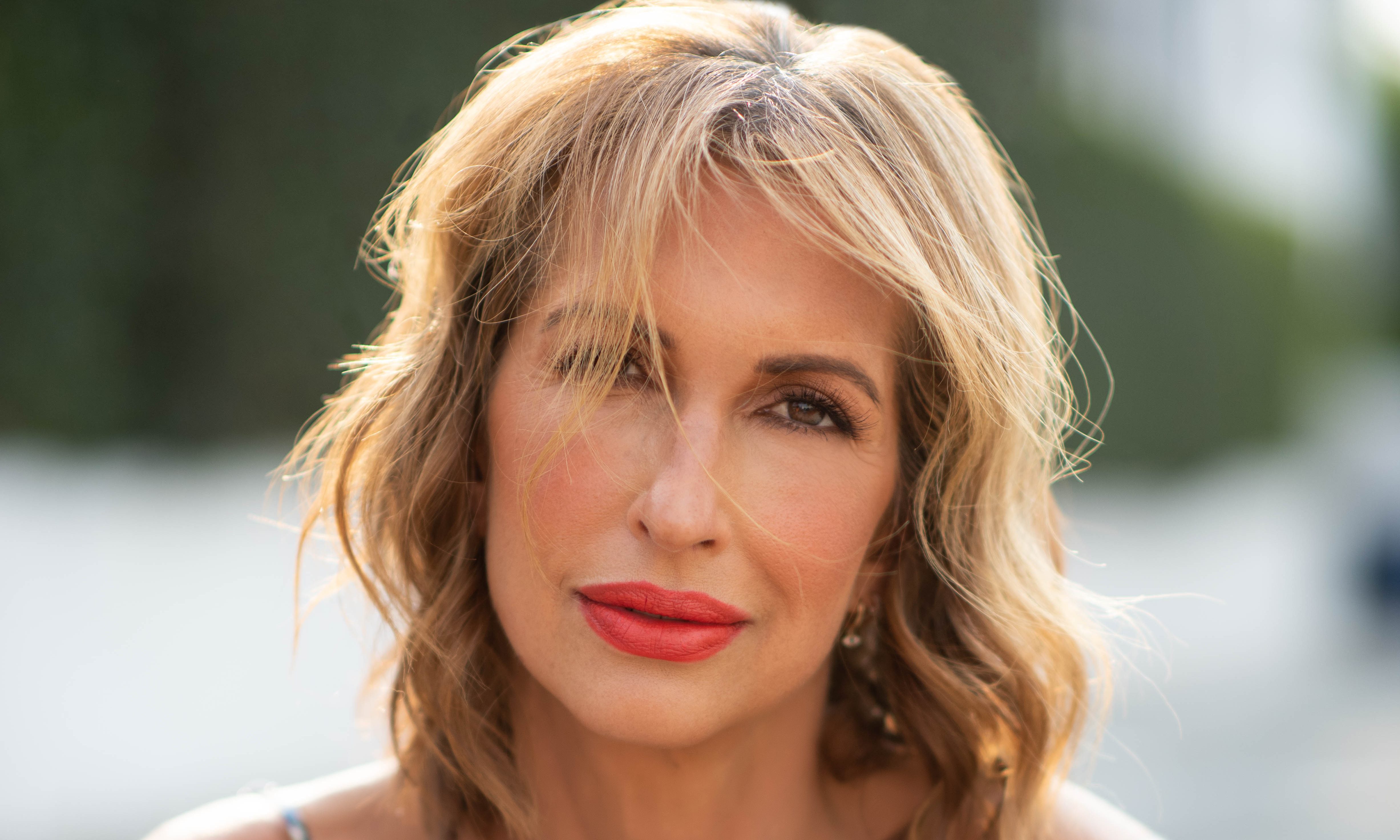
  • Lisa Catara

    Lisa Catara

    “I entered Hollywood with no connections and no clue about the Biz. I would have fared far better having a mentor.”

    Actor & Writer — @lisa_catara


    What pulled you into film and TV in the first place?

    In 2005, I made the drive across the US from NYC to LA following the abrupt end of my first dream, Broadway musicals, which pretty much began and ended on September 11, 2001. I’ve been a natural storyteller and Creative all my life. The medium changed, but the passion for storytelling never has. I couldn’t have known that shift from stage to set would bring me so much joy and feel like “Home.” It’s the type of chaos, collaboration, and problem-solving I crave.

    What do you think the industry gets most wrong about women like you?

    It’s challenging to answer what I believe the industry gets most wrong about women like me because I’ve never quite fit into a box. I suppose the honest answer is that my greatest challenges never came from the work itself, but in the gatekeepers, those in between talent and decision-makers. I’ve also had bad timing: getting established just days before the writers strike in 2007, then rebuilding and reinventing myself in time for the pandemic and our recent strikes. The industry has shifted yet again.

    What does success mean to you?

    Success to me is the ability to thrive doing what I’m most passionate about, reaching toward my ultimate potential (do we ever really get there?), and hopefully reaching back to inspire others to do the same. Our stories need to be told. I have a lot more in me!

    What are you most proud of that most people don’t know about?

    I am deeply proud of my ability to learn, adapt and thrive despite countless obstacles and events beyond my control. But what I am secretly proud of are all of the fellow creatives I’ve been able to elevate and get employed over the last 20+ years.

    What keeps you going when the industry makes it hard?

    What has always kept me going remains an insatiable creative appetite. I’ve been both blessed with and cultivated a wide range of skills applicable to the Arts and Entertainment industries. But Creativity isn’t something I’ve been able to “turn off.” I’m constantly downloading new ideas and wanting to breathe them to life.

    What is one piece of advice you wish you had heard earlier?

    I entered Hollywood with no connections, and no clue about “The Biz.” In retrospect, I would have fared far better having a mentor. Someone to help me fine-tune focus and avoid some of the pitfalls of the industry. Especially where it came to navigating patriarchy.

    Anything else you’d like to share?

    I have many projects in various stages of development. two film scripts (one, I’m penning into a novel, the other could be a phenomenal series), my autobiographical blog, my podcast (GATMPodcast), my fashion designs, and my photography (I’m a self-taught automotive/street art photographer)… I think I’m over “creating my own projects,” lol. I’m hoping to connect with fellow filmmakers/writers/storytellers to finish and elevate these efforts and conceive new ones, together!

  • Alysia Reiner

    Alysia Reiner

    “Build a rich, deep life that has nothing to do with the industry. Fall in love with who you are being on this planet.”

    Actor · Producer | @alysiareiner


    What pulled you into film and TV in the first place?

    A Calling? My purpose: love and evolution of myself and the planet via storytelling and creativity.

    What do you think the industry gets most wrong about women like you?

    Our power, tenacity, creativity, and magic. On purpose. Because in a patriarchy based in capitalism, we are dangerous AF.

    What does success mean to you?

    Telling well crafted stories that entertain and truly evolve and awaken culture and society to love more and care for each other more on a global level that move the needle, and help us as a planetary society care for, protect, and if necessary save the earth and ourselves. I’m looking for laughter, tears, goosebumps, relief, breath, and full emotional experience, both in the making of it, with fellow healthy artists, the process and the present, as well as the resulting art made.

    What are you most proud of that most people don’t know about?

    Who I am as a mother and emergency foster mom.

    What keeps you going when the industry makes it hard?

    Service and activism.

    What is one piece of advice you wish you had heard earlier?

    Dig deep into life, art, family, love, friends, creativity, meditation, spirituality, and service. Build a rich, deep life that has nothing to do with the industry. Regardless of career success, fall in love with who you are being on this planet.

    Anything else you’d like to share?

    You can see more at @alysiareiner or www.alysiareiner.com and happy to send a full bio, press kit etc.

  • Jane Alizor

    Jane Alizor

    “I had the advice. I just didn’t listen. Don’t go into acting.”

    Actor — @sleekjane


    What pulled you into film and TV in the first place?

    The interest to tell stories.

    What do you think the industry gets most wrong about women like you?

    They feel we are superficial, unintelligent etc.

    What does success mean to you?

    I think my definition of success has changed as I’ve gotten older. When I was younger, I thought success meant reaching the peak of my career being widely known, having a thriving business, and getting to that point where I could say, “Yes, I’ve made it.”

    But as I’ve grown, I’ve realized there really isn’t a final destination called success. There will always be another goal, another level you want to reach, or another thing you want to learn and accomplish.

    So today, I see success more as growth and fulfillment. It’s being able to look at where I am and know that I’m moving forward, building a life and career that I’m proud of, while still having the freedom to set new goals and evolve. For me, success is not necessarily arriving at a particular point; it’s knowing that I’m becoming the person I want to be and that the things I’m building have meaning to me.

    What are you most proud of that most people don’t know about?

    I think what I’m most proud of is my ability to keep going, even when things haven’t happened as quickly as I imagined they would.

    There have been so many points where I could have decided that maybe it’s time to give up on certain dreams, especially when you’re putting in the work and you don’t immediately see the results. But I’ve continued to reinvent myself, learn, try again and find different ways to move forward.

    I don’t think people always see that side of me. They see the things I post, the business, the acting, the books and everything else, but they don’t necessarily see all the uncertainty and the moments behind the scenes where I’ve had to encourage myself to keep going.

    So, honestly, I’m proud that I’ve never completely abandoned the person I want to become.

    What keeps you going when the industry makes it hard?

    To be very honest is the love of the craft. Cause omg!

    What is one piece of advice you wish you had heard earlier?

    I had the advice but I didn’t listen. Don’t go into acting.

    Anything else you’d like to share?

    You can find Jane on Instagram at @sleekjane and on YouTube at Janeslife, where she has some movies, including DIS-GRUNTLEMENT, Part Time Uncle, and Don’t Let Girls Go Alone. She also has a sitcom coming out soon, so watch out for that one. She’s open to telling more stories, so reach out to her.

  • Elena Schick

    Elena Schick

    “You already belong. You’re enough exactly as you are, and you’re still allowed to grow.”

    Actor & Producer — @elenamschick


    What pulled you into film and TV in the first place?

    For me, it has always been about storytelling and listening.

    I grew up in a tiny three-bedroom, one-bath brick row home in Southwest Philadelphia, listening to the stories of my grandparents, my parents, my family and the friends who came through our door. I learned that everybody has a story worth hearing. It may make you uncomfortable. It may make you laugh, cry, angry, happy or sad. I think we need to embrace all of it.

    Listening is incredibly important to me, in life and in my creative life. You can’t truly tell someone’s story unless you’re willing to listen to them first.

    I’ve never really thought of what I do as pretending or playing make-believe. The best way I can describe it is that I imagine a zipper at the top of my forehead. I unzip Elena, step out of her, and step into the woman whose story I’ve been entrusted to tell. When I brought Evelyn to life, I was Evelyn. When I brought Sister Agatha to life, I was Sister Agatha. I want to breathe life into these women and allow them to be seen and heard.

    Even in my everyday life, I’m a door holder. If I’m leaving the train station or walking into Wawa and I see someone coming, I hold the door. They don’t have to be right behind me. I’ll wait.

    Maybe storytelling is another way of holding the door open.

    You make room for somebody else to come through. You listen. And then you step aside and let them be seen.

    What do you think the industry gets most wrong about women like you?

    That there is an expiration date on us.

    There is still this idea that women somehow have less to bring to the table once they’re no longer 25. And God forbid a woman tells her real age and she’s over 40. Somehow we’re supposed to fade into the background, cover everything up and pretend the years haven’t happened.

    I don’t want to hide my laugh lines and wrinkles. Those laugh lines and wrinkles tell stories. They’re a roadmap of a life lived, of laughter, loss, love, heartbreak, joy and everything in between.

    And there is a double standard. Men are allowed to age on screen in a way women still aren’t. Nobody looks at a man’s face over 40 and wonders why he hasn’t disappeared from the camera.

    And I’m not saying youth doesn’t belong. Youth belongs. Middle age belongs. Older age belongs. Every stage of a woman’s life has stories worth telling. We shouldn’t have to erase one generation of women to make room for another. There is room for all of us.

    I’ve experienced versions of that double standard throughout my life, in my legal career and in my creative career, and I’m tired of it.

    I’m finding my voice and using it. And I want other women to find theirs too. We don’t have to push another woman out of the way to make room for ourselves. We can come along on this journey together, tell the truth about who we are and what we’ve lived, and hold the door open for the woman coming behind us.

    What does success mean to you?

    Success means leaving my legal career behind and building EMS Productions 3, the production company my husband Ed and I founded together, into a place where we can tell the stories we each want to tell and invite other people through the door to tell theirs.

    I want women to entrust us with their stories. I want to build a thriving, supportive, loving and fun creative environment where everyone has a seat at the table and feels like what they bring to that table matters.

    And there better be cold Tastykakes on that table, especially Peanut Butter Kandy Kakes. They’re my favorite.

    Success means being bold. Taking chances. Making the story because we believe it deserves to exist, instead of worrying ourselves to death about whether it will find an audience or whether some critic is going to tear it apart.

    Let’s make it. Let’s put it out into the world. Let’s support it, believe in it, and then let it take whatever journey it’s going to take.

    We can’t control everything that happens to something once we release it into the world.

    But we can control how much truth, love, care and courage we put into making it.

    And then, as my Mom always said, “It is what it is.”

    What are you most proud of that most people don’t know about?

    I’m most proud of the fact that I kept going.

    I built my creative career while working in the legal field, being a wife and mother, caring for people I love and navigating all the ordinary and extraordinary things life puts in front of us.

    There were days when I would work all day, get on a BoltBus to New York for a ten- or fifteen-minute audition, take the two-hour ride home, walk through my door around midnight, sleep for a few hours and get up the next morning to go right back to my day job. And you know what? My feet barely touched the ground on those rides home. I was exhausted, but I was so happy because I was doing the thing I loved.

    When I finally admitted to my parents that I didn’t want to go to law school and that what I really wanted was to act, I was terrified they would be disappointed. My Mom looked at me and said, “Why didn’t you tell me sooner? We would have supported you.”

    And she did.

    She would circle things in the TV Guide and tell me, “You would be good on this show.” When I appeared on The Following, my parents recorded the episode and watched it over and over because they were so proud to see me on that screen. My Mom would leave me voicemail messages telling me, “Don’t get discouraged. Keep going.”

    I still hear her saying that.

    I’m incredibly proud of my daughter, and I hope that through my own journey I can show her—and maybe another woman who needs to hear it—that our paths don’t have to be straight or easy. You can work the day job. You can get up early. You can use the PTO. You can take the bus. You can start later than somebody else.

    Just do the thing.

    Because if you stop now, you’re never gonna know if you could have grabbed that brass ring.

    I believe in all of us.

    What keeps you going when the industry makes it hard?

    Stubbornness.

    I’m stubborn about my dreams. I think that helps.

    I knew when I was six years old that I wanted to be an actress. I was watching The Young and the Restless after school with my Mom and Grandmom, and there was a storyline where Dr. Casey Reed thought the patient on her treadmill was her stalker and started increasing the speed during his cardiac testing. Six-year-old me was completely fascinated.

    I remember going to my school library with my friend Patricia afterward. She started pulling books about medicine off the shelves, and I thought, “No, I don’t want to be a doctor. I want to be an actress.” I took the medical books home and read them anyway.

    But I knew.

    All these years later, that six-year-old girl is still in here, and I’m not giving up on her.

    This industry can be incredibly hard. You hear no. You hear nothing at all. You can do work you’re incredibly proud of and have no control over what happens next.

    So I stopped waiting for permission.

    If the door doesn’t open, I’ll build my own. I’ll blaze my own trail. And once I get that door open, I’m holding it for everyone coming behind me.

    I’m relentless about my dream.

    I’m not waiting for permission anymore. I’m done with that.

    What is one piece of advice you wish you had heard earlier?

    You’re enough.

    Your hair doesn’t have to be longer, shorter, lighter or darker. You don’t have to make yourself smaller, bigger, perkier, quieter or louder because you think that’s what somebody else wants you to be. Just be you. You’re enough.

    But being enough doesn’t mean you’re finished.

    Keep training. Keep learning. Keep going to class. Keep your mind open. Push yourself outside your comfort zone because you never know what you might discover there.

    And that’s not just advice for acting. That’s advice for life.

    We change. We evolve. Our tastes change. Our outlook changes. Something that terrified us ten years ago might be the very thing we’re running toward today. Never become so comfortable with who you are that you close yourself off to who you might become.

    Train. Prepare. Submit. Audition. Pursue the opportunities that excite you. Create your own opportunities too.

    But don’t do any of those things because you think you need somebody to knight you and declare that you finally belong here.

    You already belong.

    You’re enough exactly as you are—and you’re still allowed to grow.

    Anything else you’d like to share?

    I’m incredibly excited about what Ed and I are building with EMS Productions 3.

    I want people to want to come work with us. I want people to trust us with their stories. I want them to collaborate with us, laugh with us, take chances with us and help us grow this company into something bigger than any one of us.

    I want EMS Productions 3 to be a place where people are supported, respected and heard. A place where we help each other. Where somebody can walk in with a story they don’t know what to do with yet and know we’ll listen.

    I want to build something that honors the people who came before me and makes them proud. And someday, I would love to hand this company down to my daughter and have her be proud of what we built—and then make it her own.

    Most of all, I want EMS Productions 3 to help people. I want us to create opportunities, tell stories that might otherwise go untold and make room for people who haven’t always been given that room.

    All are welcome.

    The door is open. The table has plenty of seats. There’s room for you.

    Just bring the cold Peanut Butter Kandy Kakes.
  • Yassmine Othman

    Yassmine Othman

    “Don’t be afraid of the time away. Your multi-generational heritage, your languages, and your lived history are already enough.”

    Actor · @yassmineothman


    What pulled you into film and TV in the first place?

    Theater was actually my first love when I was a child, which made sense coming from an artistic family. But life took me on a completely different professional path for many years. When I finally returned to acting at 52, it wasn’t a detour — it was a very conscious, powerful choice. What pulled me into film and television specifically was the realization that the camera demands absolute truth. I suddenly had a lifetime of real-world experience, resilience, and emotional depth that I couldn’t have brought to the screen in my twenties. I chose this medium because it allows me to take all that lived history and use it to portray the complex, strong women I play today.

    What do you think the industry gets most wrong about women like you?

    I think the industry sometimes assumes that as women get older, their stories become less dynamic or more one-dimensional. There’s this tendency to write a mature character simply as ‘the mother’ or ‘the boss,’ as if maturity strips away internal conflict. In reality, it’s the exact opposite. We are at our most complex, resilient, and magnetic stage. Another thing they often get wrong is misunderstanding what true strength looks like on screen. They sometimes confuse being a strong female character with being loud or aggressive. But the most compelling strength is quiet, layered, and psychologically complex — it’s the authority that comes from a lived life. The camera captures that truth in the eyes, and a mature actress brings a quiet magnetism that doesn’t need to shout to command the screen.

    What does success mean to you?

    Success means creating an enduring footprint through my work. As I always say, every character leaves a legacy and every story deserves truth. To me, being successful isn’t about the noise or the applause; it’s about connection. It’s when a character I play — whether it’s in a project like La Unidad or The Walking Dead — lingers with the audience long after the final scene. It’s also about using my position to bridge cultures and languages through storytelling, creating opportunities for other artists.

    But beyond that, success today means being a visible reference for mature actresses. It’s about proving that it is never too late to pursue your dreams and claim your space in this industry. If my journey can inspire another woman to reclaim her passion at any stage of life, and if my work connects people internationally, that is the ultimate reward.
    What are you most proud of that most people don’t know about?

    I am incredibly proud of the quiet resilience it took to return to this profession at 52. Leaving a stable career to dive back into the uncertainty of acting requires a level of courage that most people don’t see. When you step back into this industry later in life, you are often entering a space that is deeply obsessed with youth, so it took a lot of mental strength to ignore the doubts, filter out the noise, and remain completely secure in what I had to offer.

    I had to realize that my time away from the screen wasn’t a disadvantage — it was my superpower. It gave me a lifetime of real-world experiences, emotional maturity, and a deep understanding of human nature that you simply cannot simulate. Having the bravery to reclaim my path, stand firmly in my own skin, and now bring that raw, lived truth alongside my linguistic and cultural background to international sets — that is definitely what I am most proud of.

    What keeps you going when the industry makes it hard?

    What keeps me going is the absolute perspective that life and a decade of professional acting have given me. When I turned 52, I made the conscious, powerful choice to reclaim my artistic path. Now, at 62, looking back at my work on international sets and being recognized by my peers, I realize my security doesn’t depend on the industry’s mood; it comes entirely from within.

    When the industry makes it hard, I anchor myself in that certainty. I remind myself that my multi-generational heritage and a lifetime of real-world experiences are my greatest assets. I don’t look for external validation anymore. At 62, I am fully aware of the unique depth, the quiet authority, and the truth I bring to the camera. The responsibility and the absolute joy of portraying complex, resilient women is a fire that temporary obstacles simply cannot put out.

    What is one piece of advice you wish you had heard earlier?

    The piece of advice I wish I had heard earlier is to trust my own timing and stop looking for external validation. When I was young, I had to choose a completely different career path for stability and job opportunities, and for a long time, I felt this intense pressure that any detour was a lost chance.

    Now, at 62, looking back at the decade since I returned to professional acting at 52, I realize that those years were not lost at all. They were actually the period where I accumulated the emotional depth, the maturity, and the truth that I now bring to international sets. I wish someone had told me earlier: ‘Don’t be afraid of the time away; your multi-generational heritage, your languages, and your lived history are already enough.’ Understanding that my practical path wasn’t taking me away from my art, but preparing me to walk it with absolute authority, would have saved me a lot of doubts.

    Anything else you’d like to share:

    If I could leave anyone reading this, especially women, with just one thought, it would be that it is never too late to reclaim your passion and claim your space. Looking back and seeing where I am today at 62 has taught me that our stories, our maturity, and our lived experiences are vital for the screen. Your timing is uniquely yours.

    Right now, people can find more about my work by watching Season 2 of La Unidad as Naima Ibrahim on Movistar+ and, of course, the currently available Season 3 of The Walking Dead: Daryl Dixon as Doña Marga on AMC+.

    Furthermore, this mid-October, I am thrilled to start filming the upcoming American action-drama A Cry In The Dark, where I will portray a powerful Spanish drug lord. It is exactly the kind of character I am drawn to—women of remarkable strength, quiet authority, and intense psychological complexity. I am always looking to connect with visionary directors, writers, and producers internationally who want to tell stories that explore resilience and identity. If you have a project that deserves absolute truth, I am ready to bring it to life.

  • Catherine Black

    Catherine Black

    “Stop waiting for permission or to feel good enough. The encouragement you seek will not arrive, so build it within yourself. Find other women and communities that lift each other up.”

    Director, Actor, Writer, Producer & Intimacy Coordinator — @dubhcat


    What pulled you into film and TV in the first place?

    I always loved films and would watch a movie over and over again as a child, a habit that I continued throughout my life. I wrote out entire screenplays (of the movies I was watching) in school when we were supposed to write in our journal. I filmed and photographed people constantly as I grew up. Humanity, their stories and the way in which a point of view can tell those stories through film has always captured my attention. I didn’t know that I could be a director and so I became an actor. The first four directors I worked with were women with a strong vision. I worked with Mary Harron on American Psycho who was calm, brilliant, inspired by everything I did, and laser focused on what she was doing. She also had a newborn baby on her hip at the age of 49. I was performing opposite huge stars, but they didn’t intimidate me. It was Mary Harron who I most admired that day. I wanted Mary Harron’s job one day. I just had a day player role, but when I was leaving after my 14 hour day, Mary Harron ran after me to thank me. What a class act. I shadowed a female director I had worked with as an actor at the National Film Board of Canada after that, but it would still take me another twelve years before I directed anything.

    What do you think the industry gets most wrong about women like you?

    I think a big misconception is that if a woman is calm and confident, but not loud and overbearingly confident, then she can’t do the job of a director. But if she’s too confident then she’s “bizarre” or “who does she think she is?!” It’s a fine balance to evoke the right flavor of confidence when a man doesn’t even have to have a body of work, like a woman does, and is still taken seriously. I’m not entirely sure what they think, but I can see that people respect my work and women like me, but I can also see that that doesn’t matter if no one is going to support it. The industry can determine that a woman is a talented filmmaker, yet that still doesn’t translate to actual public support, distribution or getting hired again. I think the industry thinks it’s supporting women because we talk about it now, but talk isn’t enough. A female director still faces the same systemic barriers as twenty years ago, but now the industry acts like they don’t while it pats itself on the back for noticing.

    What does success mean to you?

    Success to me is being able to keep making art with other great artists and working in the arts for a living.

    What are you most proud of that most people don’t know about?

    I’m most proud of myself for continuing to pursue my dreams despite adversity. I left home when I was 15 and didn’t have any emotional or financial support or guidance. I was truly alone and had injuries, surgeries and health challenges throughout my twenties, but still moved to the USA by myself to pursue my dreams. It was really difficult and I often felt like forces were working against me. Despite everything, I have managed to make the films that I wanted to make and I have continued to work in the arts with great artists, which makes me feel lucky and incredibly proud of myself for all that I’ve accomplished.

    What keeps you going when the industry makes it hard?

    There are a few answers to this. First, I wouldn’t know what else to do. I’m in too deep and I can’t turn back now. I also believe in my bones that when I’m directing I know what I’m doing. I feel in my power when I’m on set and I’ve accumulated a lot of knowledge from all of my experience, and that allows me to say with confidence that I know what I’m doing. I don’t feel that way in other areas of my life.

    What is one piece of advice you wish you had heard earlier?

    Stop waiting for permission or to feel good enough. The encouragement you seek will not arrive, so build it within yourself. Find other women and communities that lift each other up.

    Anything else you’d like to share?

    You can find me at catherineblack.com and my films at directedbycatherineblack.com.

    I am a director-actor-intimacy coordinator and acting teacher in Los Angeles. I began working as an intimacy coordinator in 2024 after years of training, which I love and which combines all of my accumulated knowledge and interests. I love collaborating – it’s what I love most about working in film. I love working with all the HOD’s and how we all come together to create dynamic storytelling, bringing something special to life. I’m currently writing a feature film to direct and act in and always looking for intimacy coordinating opportunities and acting work (my first love).

  • Michelle Mary Schaefer

    Michelle Mary Schaefer

    “I will cry, and say ‘Annabelle, we did it’ and it will be proof that rejection does not have to be the end of the story.”

    Producer, Director, Writer & Actor, Founder of Annabelle Louise Productions — @annabellelouiseproductions


    What pulled you into film and TV in the first place?

    Ever since I was a kid, I have always been passionate about storytelling. I grew up loving films, acting, and creating stories, but as I got older, I realized how rarely authentic stories and accurate representation are shown onscreen and stage especially as a Deaf person. Often times our stories are told inaccurate in a harmful ways or even hearing Actors playing a Deaf character which robs our opportunities, our story, and our voice. Instead of waiting for ableist system to finally come around to give me opportunities or for someone to decide whether I was “worthy” of playing a role simply because I am Deaf, I decided to create my own opportunities. My stories matters. My life experience matters. My voice matters. That is why I created and founded Annabelle Louise Productions.

    I have been in the industry for over 35 years and have written three tv series, and four feature films and am still working hard to get them all greenlit. My goal is not only to tell compelling, authentic stories, but also to create opportunities for people who have historically been underrepresented both in front of and behind the camera. There is so much talent, creativity, passion, and capability within underrepresented communities. The problem is not a lack of talent. The problem is a system that too often refuses to see it, invest in it, or provide equal opportunities.

    As a Deaf artist, I know firsthand what it means to navigate audism — the oppression, discrimination and rejection that Deaf people experience because they are Deaf. I have spend years navigating those barriers, but refuse to let them define what I can create. I’m not waiting for someone else to open the door. I’m building my own door and hoping it open for others. Authentic representation matters. Inclusion matters. Accessibility matters. And our stories deserve to be told by the people who have lived them. I create because I believe we are capable. We are talented, We all have stories to tell.

    What do you think the industry gets most wrong about women like you?

    You don’t know me until you meet me. I strongly believe that both the entertainment industry and society have often perceived me as “dumb,” “incapable,” or “less worthy” simply because I am Deaf — and because I am a woman. Where do these perception come from? They can begin with what the society is taught to believe about people who are different. They can come from medical professionals, parents, teachers, families, friends, employers, and institutions that unknowingly or knowingly reinforce assumptions about what a Deaf person can or cannot do.

    But let me be clear I’m Deaf not Dumb. I’m Deaf not Lazy. I’m Deaf not incapable. My accomplishments speak for themselves. I hold an AA Degree in Theatre, a BS in Corporate Communication, a MS in Education, as well we certification and professional training in Films/TV, the Business of Entertainment, Intimacy Coordination/Direction and Mental Health Coordination. I am an actor, filmmaker, screenwriter, director, producer, creative professional. And have produced 4 shorts, and three of them are award-winning films, and still continue to working hard to greenlit my features and shorts.

    And yet, despite my education, experience, skills, and decades of dedication to the entertainment industry, I still struggle to even get an interview for employment. Sometimes the barrier isn’t my qualification. The barrier is whether someone ever takes the time to see me beyond a label. Human resources system, Studios, Producers can filter people before they have the opportunity to speak for themselves. Automated hiring systems, email screening and AI-driven screening can reinforce barriers when resumes doesn’t fit a predetermined formula. And when assumptions about Deafness are already present, the door can close before I even have a chance to walk through it. That is incredibly frustrating.

    Because time and time again, I have discovered something: People are often wrong about me until they meet me. Once we actually sit down, communicate, exchange ideas and have a conversation, suddenly they discover that I am capable, educated, creative, passionated, talented, experienced, determined and full of ideas. So instead of judging me from a resume, checkbox, assumption, or an algorithm, I invite you to meet me. Let’s grab a coffee and chat. Let’s talk about storytelling, representation, accessibility, business, creating and opportunities. You might discover that the person you thought you knew from a label is nothing like the person sitting across from you.

    I’m not asking for sympathy. I’m asking for opportunity. I’m asking you to look beyond the assumptions. Because when you give people the opportunity to be seen, heard and valued for what they can actually contribute, everyone wins. So If you believe in authentic representation, inclusion, accessibility, and creating meaningful change — and yes, let’s grab the coffee and chat!

    What does success mean to you?

    What success mean to me, as success can mean so many different things in life. For me, a true success is much bigger than money, awards, credits or recognition. True success is when all human beings, including the Deaf and Disabled people are seen and treated equally. It is a world where accessibility exists everywhere without us constantly having to advocate, educate, explain, fight, or battle system that were never designed with us in mind. It is a world where Deaf and Disabled people have genuine opportunities in life and in their careers not because someone feels sorry for us but because our talent, skills, creativity, and humanity are recognized. It is a world where inclusion is real. Where accessibility is expected. Where safety matters. Where we don’t have to fight just to belong. That would be a huge success.

    Honestly, sometimes I wonder if I will ever see that world in my lifetime. Deaf and Disabled people have been fighting against discrimination and oppression for generation which the fight feels endless. But I still have hope. I hope through my authentic story telling, I can reach people. I hope my stories can make someone think differently. I hope they can be reminded people that behind label is a human being with dreams, feelings, talent, experience, and a story worth hearing. Maybe I cannot change the entire world. But if I can change one person’s perspective, open one door, create one opportunity, then my work matters.

    And right now, my personal definition of success is very specific. I want to see Bell’s Darkness greenlit. I’m actively seeking funding, partnership, and in-kind support to bring this powerful, authentic feature film to life. But this film means far more to me than simply making a movie. It is connected to a promise I made to my beloved Annabelle Louise Schaefer, the CEO of Annabelle Louise Productions, who has passed away. I am keeping that promise. I have carried this dream through years of oppression, rejection, discrimination, audism, and countless moments when society and the industry made me question whether there was a place or someone like me. I’m still here, still moving forward and the day will come when Bell’s Darkness has its red-carpet premiere. And when I stand there looking at the screen, surrounded by the people who helped make it possible, I know exactly what I will say. I will cry, and say “Annabelle, we did it” and it will be a proof that rejection does not have to be the end of the story. Sometimes, you have to become the person who creates the opportunity you were never given.

    What keeps you going when the industry makes it hard?

    A promise, a love, a legacy. It is my promise to my beloved late Annabelle Louise Schaefer, carried forward with the love we shared. Annabelle believed in me, in my dreams, and in the stories I wanted to tell. Her love became part of the foundation upon which I continue to create. She may no longer be here on this earthly presence but her love remains with me — in my heart, in my work, and in every step I take.

    What is one piece of advice you wish you had heard earlier?

    I don’t have any advice that I wish I had heard, but am navigating this alone with the love that Annabelle has given me.

    Anything else you’d like to share?

    I’m always looking for dedicated passionate collaborators to come together to bring stories to life as well as roles to portray, as I’m a human just like you all as I do not want to be limited due to the assumptions of me. Anything is possible once we all open our mind, eyes and heart. Contact me, and let’s get creative as well as to make a difference together!

    Find out more at annabellelouiseproductions.com and michellemaryschaefer.com.

  • Chrissie Homer

    Chrissie Homer

    “Do the thing, just get on with it. You’re going to do it anyway so anytime you aren’t doing it is just wasting time.” – Brett Goldstein

    Writer & Actor — @chrissie_homer


    What pulled you into film and TV in the first place?

    Growing up our family source of entertainment were comedy shows, Vicar of Dibley, Fawlty Towers, Dad’s Army, not your classic tv shows for a seven-year-old but I just loved them all. They always made me feel really comforted and safe, and when I thought about writing, I just loved the idea of writing someone’s new favourite comfort show. The show they put on when they feel sad and know instantly it will cheer them up. And that’s always the pull when I’m writing, how will this ultimately make someone feel? Will this make a person’s world better by seeing it?

    What do you think the industry gets most wrong about women like you?

    I think the industry makes the mistake of thinking that women like me aren’t ready for the next step. They don’t understand that women like me are relentless, not in an aggressive way, but in an I’m-here-and-I’m-going-to-keep-knocking-at-this-door-until-you-let-me-in way. We can multitask, we can do the part-time job, the childcare, and still dedicate the time to write, take a course, create something by ourselves, and we can do it with little support too. We’re scrappy, and we won’t stop until we decide to.

    What does success mean to you?

    Success for me isn’t about money or fame, it’s about being able to spend time working on my craft, sharing ideas in a writer’s room, and being able to create something that people enjoy.

    What are you most proud of that most people don’t know about?

    I got my first BBC writing credit (and pay cheque) on a topical comedy show this year, and due to work demands and childcare, I did my submission within a 2-hour window rather than the standard 24-hour window that’s given for open submissions. I was absolutely thrilled and really proud of myself for not giving up and not missing the deadline.

    What keeps you going when the industry makes it hard?

    Watching my favourite comedy shows or nerding out on how they got made listening to podcasts or reading the writer’s books. It reminds me of what I’m working towards and also, obviously, make me laugh. And having a network of supportive creatives around me is essential too, people who remind me I’m capable of doing this!

    What is one piece of advice you wish you had heard earlier?

    I caught an Instagram clip of Brett Goldstein when he was asked what advice he’d give his younger self, he said ‘Do the thing, just get on with it. You’re going to do it anyway so anytime you aren’t doing it is just wasting time.’ It really resonated with me – I’d always wanted to write and I’d always wanted to act – so I should probably just get on with it. And accepting you won’t be perfect when you start something – in fact you might even be bad. But it’s OK because you just started. That piece of advice has set me up for any kind of rejection now because ultimately we are always still learning.

    Anything else you’d like to share?

    I’d love people to find me on Instagram @chrissie_homer or email me at chrissiejayneh@hotmail.co.uk and I’d love to start building a network of fellow female writers, so please get in touch!

  • Alison Wesley

    Alison Wesley

    “Get a partner who can say the hard things you can’t. Sometimes it would’ve been nice to have a lioness alongside me to help strengthen my soft words.”

    Producer, Writer, Actor — @the.mural.film


    What pulled you into film and TV in the first place?

    I have always loved stories that people can see themselves in. My background was in writing music and books, but two years ago, a script fell out of me. Literally. I was driving when an idea came to me. I had to pull the car over, cancel my plans and voice record all of it at once. I was inspired to write it after a vandalism to my husband’s restaurant because when something happens that I wish I could’ve handled differently, a story emerges. This film is basically my wish for how it could’ve gone.

    I put it up as a staged reading and afterward, our Director approached, wanting to direct if it ever became a film. The same day an investor appeared as if by magic.

    So, why am I in film? Magic.

    What do you think the industry gets most wrong about women like you?

    In my opinion themes that speak to women can often be obvious or dramatized when it’s the little things, the subtle things that we might not even notice in our lives that make it difficult to truly feel seen or heard. In my film, this is a big theme: the feeling the need to apologize for oneself, even subtly. Getting out of the way, smiling at strangers, etc. I love films that highlight these daily life aspects that might seem small but add up so quickly.

    I have personally found that the industry favors the big things and they also might not take me seriously because I am new, full of hope and optimism and that somehow reads as weak or in need of lots of help. It’s been nice to produce my first feature (along with writing, acting and a million other things) to prove to some of them that, I’ve got this. Me, and an amazing team of course.

    What does success mean to you?

    Action. To me, the outcome doesn’t matter but holding an idea that never sees the light of day is failure. Acting on it, in any way possible, is success.

    What are you most proud of that most people don’t know about?

    The most proud moment I’ve had on this production was at the wrap party when a few very experienced crew members told me, this was the most organized set with the best food options ever. Out of all the things, making sure we had good food (our story is set in a café after all!) was priority!

    What keeps you going when the industry makes it hard?

    Trust. The way everything has happened in my life, film or otherwise, has had a flow. The minute I feel that I’m pushing the river I know I need to pivot. I have to trust wherever ideas come from, the people who believe in them enough to back them and me, and the process.

  • @thelesliebecker @organizedactor

    @thelesliebecker @organizedactor

    What pulled you into film and TV in the first place?

    I fell in love with film when my mom introduced me to movie musicals as a kid. She loved them and they opened a world for me that led a 25-year career performing musicals on Broadway, which led to also appearing in various TV and film roles. Now I’m focusing on the writing side. I have two full-length musicals that have been produced (and another on the way) as well as a TV sitcom and dramatic episodic in development.


    What do you think the industry gets most wrong about women like you?

    It’s still shocking to me that when a woman is strong and direct and passionate she is looked at as difficult, but when a man is the same way, he is revered. Also, as much as there is a culture of needing to have multiple creative outlets, there are still some people who don’t believe you can be really excellent at a lot of things. That’s the beauty of being a creative though, using all the gifts God gave you, not just the ones somebody else says you should use. Women in their very nature can do a lot of things well and I like to celebrate that.


    What does success mean to you?

    To me success is a very personal thing. It’s knowing that I’m living out my purpose every day to empower, entertain and educate others, and to be a source of strength and bravery for the human spirit. If I’m doing any form of that, I consider that a successful day. I do that through my brand The Organized Actor® which began with a bestselling book I wrote in 1994. This year I released a digital app, Organized Actor® Online, that helps actors manage the business side of their careers, from tracking auditions, bookings, contacts, income and expenses, goals and more. And my podcast, Unstoppably Creative, helps fellow creatives build their confidence so the highs and lows of a creative life are balanced by a strong belief in themselves. When I empower someone else, I feel successful.

    What are you most proud of that most people don’t know about?

    I suffered from extreme audition anxiety in my early years, particularly singing. So it’s still amazing to me that I overcame that and made a living singing to thousands of people a night. The pinnacle moment was performing a solo concert of my original songs in Times Square back in 2019.

    What keeps you going when the industry makes it hard?

    I always think it’s best to face reality for what it is, not as you wish it would be or as it used to be. So when the industry blocks me, I find a way around it. I feel like I’m a master pivoter.

    For more on Leslie, check out her website: https://organizedactor.com