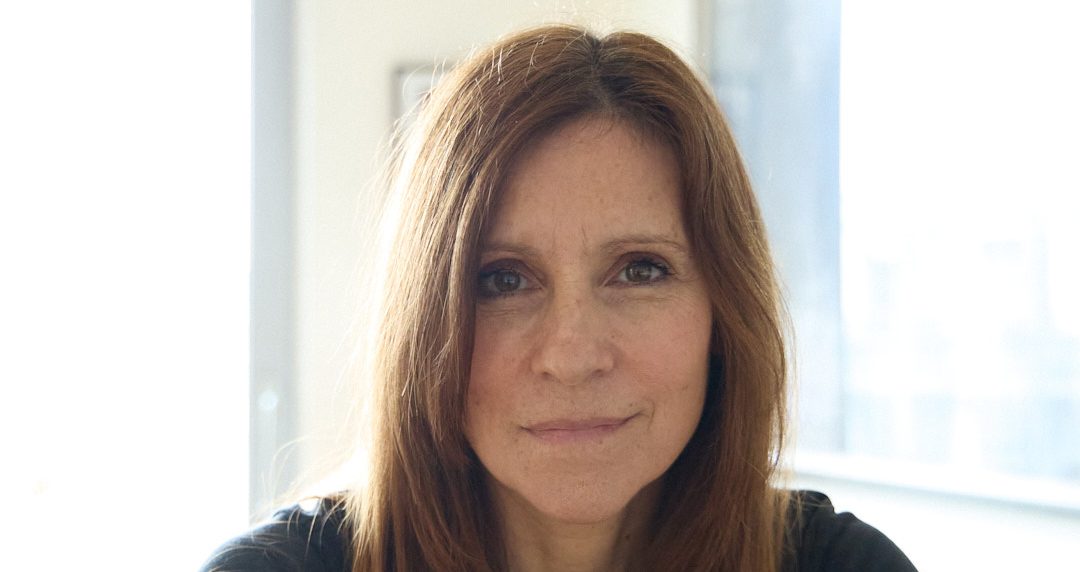
What pulled you into film and TV in the first place?
Passion and having a theatre background. Theatre gave me the foundation, and film and TV gave me the opportunity to take that further. The passion was always there driving me forward.
What do you think the industry gets most wrong about women like you?
Professionalism, commitment, and excellence. Women like me bring all three to the table every single time. The industry too often fails to recognize that, and it should not be something we have to prove over and over again.
What does success mean to you?
Positive growth at every level and influencing with the right impact in the industry. It is not just about personal advancement. It is about moving the industry in a better direction and making sure that influence counts for something real.
What are you most proud of that most people don’t know about?
Setting the right boundaries became a healthy habit for me. That is something I worked at, and it transformed how I operate and how I show up in this industry.
What keeps you going when the industry makes it hard?
My faith in God which keeps me trusting and keeps me going because I believe this a purpose he placed on my life, so I am always confident that He will definitely guide me through. Then my passion and the desire to be obedient to my call.
What is one piece of advice you wish you had heard earlier?
Do not be afraid of the unknown and take up opportunities as soon as they come. Waiting for the perfect moment can cost you the moment entirely.
Anything else you’d like to share?
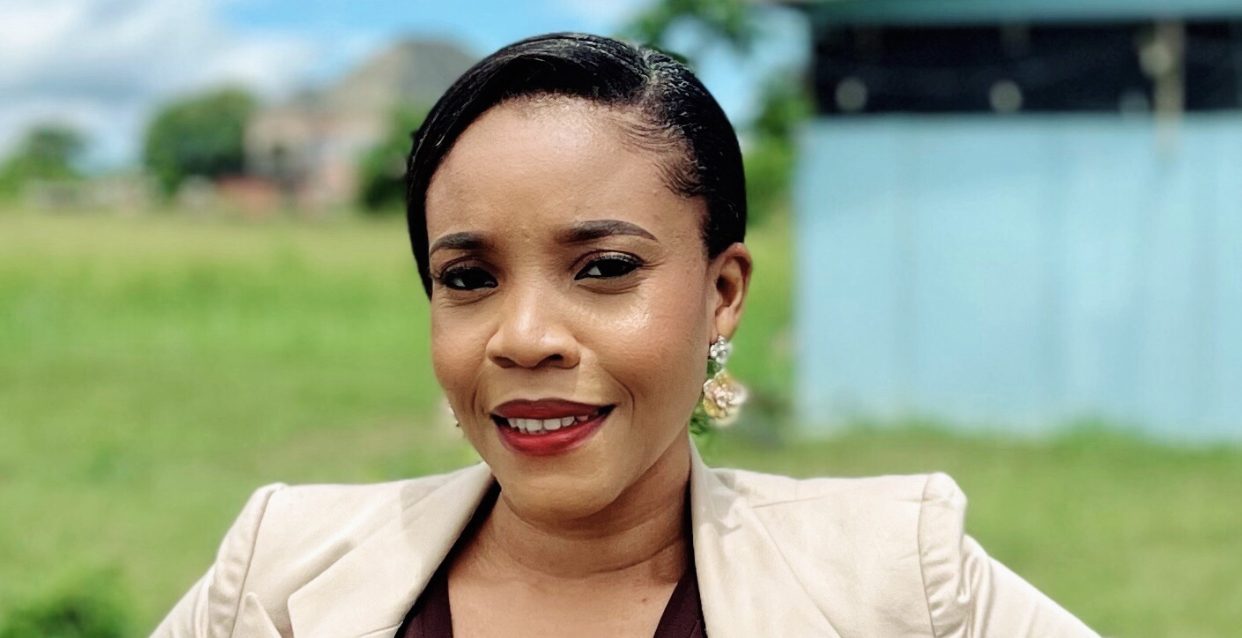
You can find out more about Jennifer and most of her work on Instagram at @osammor40. She is very open to collaborations in the film and theatre industry and with industry brands.
What pulled you into film and TV in the first place?
I think storytelling pulled me in long before I knew it could become a profession. I have a photographic memory, and as a child I was constantly creating stories in my mind. At bedtime, I would tell those stories to my sister, turning the images I could see so vividly into characters and worlds for both of us.
Years later, that instinct found its professional form through journalism and international communications, where I learned how profoundly the framing of a story can shape the way people understand the world. Working in American television and documentary production took that further—I experienced the power of combining image, words and human emotion. Eventually, I realized I didn’t only want to tell the stories happening in front of me. I wanted to create the stories I could already see in my mind. That is what ultimately brought me to filmmaking.
What do you think the industry gets most wrong about women like you?
That experience somehow limits reinvention. Women are often expected to remain inside the role in which the industry first learned to recognize them. I have been a journalist, producer, writer and creative strategist, and now I am stepping more fully into directing. I don’t see those as separate identities—they are layers of the same storyteller. Experience doesn’t make us less open to discovery; it gives us more depth from which to create.
What does success mean to you?
Success means bringing a story from inner vision into reality without losing its truth along the way. It means working with people who expand the vision rather than diminish it, creating work that stays with an audience after the screen goes dark, and having the freedom to keep evolving. At this stage of my life, success is not about proving who I am. It is about creating what I know I am here to create.
What are you most proud of that most people don’t know about?
I’m most proud that during a period when my professional identity was changing, I didn’t try to recreate the person I had been. I allowed myself to question everything I understood about story, identity and transformation. From that period came AstroCinematica, the methodology I created at the intersection of cinematic storytelling, narrative psychology and structural insight. What began as a deeply personal exploration became a way of understanding character, performance and the stories we construct about ourselves. I’m proud that uncertainty became creation.
What keeps you going when the industry makes it hard?
The story itself. If an idea continues returning to me despite rejection, delay, lack of financing or changing circumstances, I pay attention to that. Film has taught me that “not yet” and “never” are not the same thing. I’ve learned to keep developing, keep reaching out, keep creating and, when necessary, find another door. What keeps me going is knowing that the most meaningful work often asks us to become the person capable of making it before it allows itself to be made.
What is one piece of advice you wish you had heard earlier?
Don’t wait for someone else to cast you in the role you already know you are capable of playing. For years, I thought experience, hard work and being prepared would naturally lead to the next opportunity. What I eventually learned is that sometimes you have to create the opportunity—and even the role—for yourself. Trust your own vision earlier. Don’t let life typecast you. Astrocast the story you are ready to create.
Anything else you’d like to share?
I am currently developing a slate of original film and television projects and looking to connect with producers, directors, production partners, financiers and creative collaborators who are drawn to ambitious, character-driven stories with international potential. I am particularly interested in partnerships that can help move projects from development into production.
Alongside my producing, writing and directing work, I created AstroCinematica™, a methodology exploring the intersection of cinematic storytelling, narrative psychology, character and personal transformation. I am interested in expanding the methodology through film, education, workshops and creative collaborations.
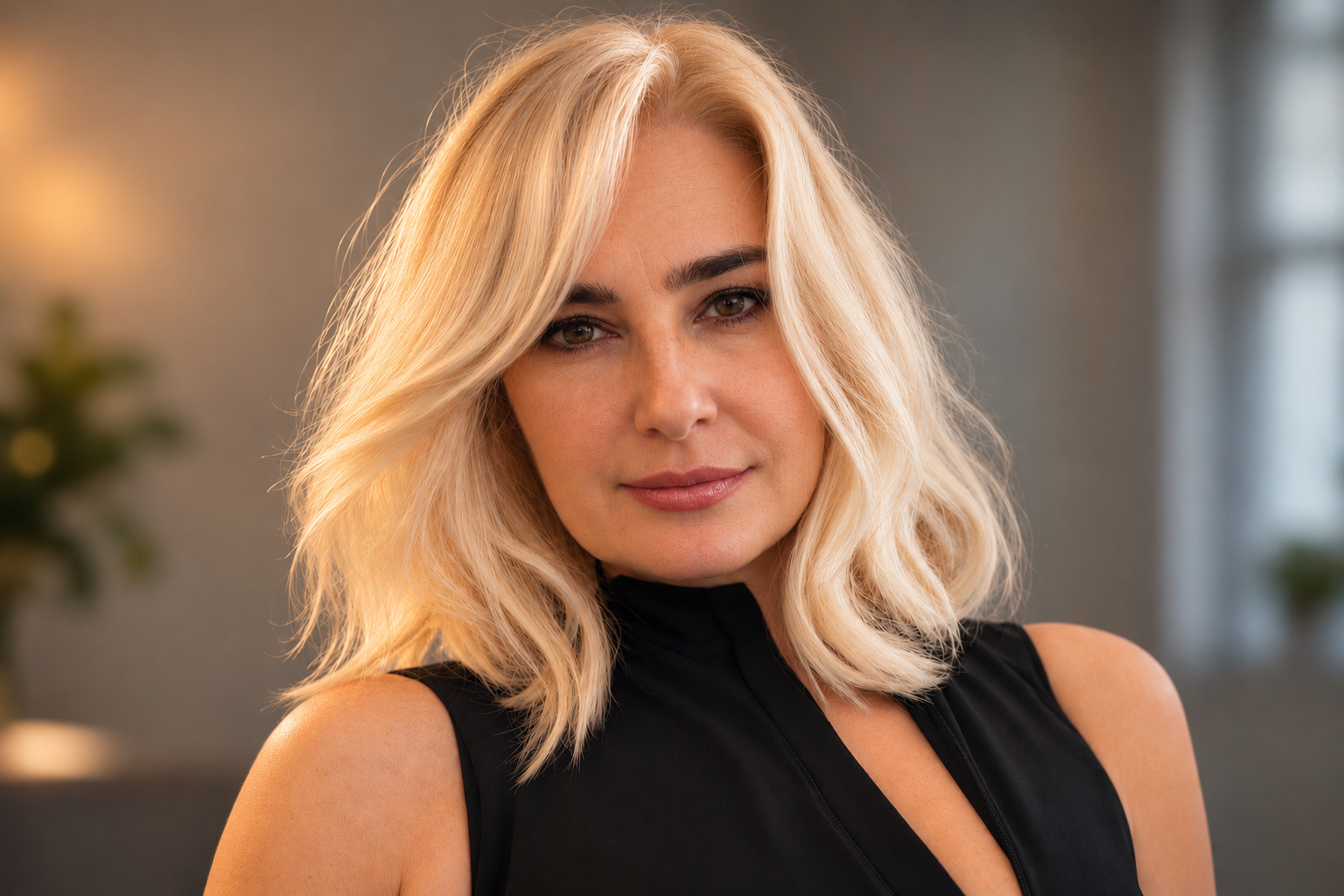
My work moves between the United States, Greece and the wider international film community. You can find more about my work and AstroCinematica™ at pennyadamopoulos.com and connect with me on Instagram @pennyadamopoulos.
“Hollywood is a verb. You will get hurt, but don’t let the disappointments affect your integrity and how you treat others. People meet the same folks climbing the ladder as they do falling down it, be kind even when it’s not reciprocated.”
What pulled you into film and TV in the first place?
I like to say that I came out of the womb knowing EXACTLY what I wanted to do with my career. As early as I can remember, I was writing, performing and aspiring to direct.
What do you think the industry gets most wrong about women like you?
That women can’t work as productively, or successfully as men. That our contribution and worth isn’t on par. But we see things differently and that’s an asset. I love to work with both men and women collectively, I feel that we balance the room and the creative project as a whole when we work together.
What does success mean to you?
Being able to creatively do what we want, when we want, with whomever we want; and being appreciated and valued for our contribution to our craft. Also, leaving the industry a better place for those who follow after us.
What are you most proud of that most people don’t know about?
Being able to gracefully maneuver around uncomfortable work situations, before talking about them became acceptable (#metoo). Also my advocacy work now with animals, as well as mentoring young girls, helping them with developing their life skills
What keeps you going when the industry makes it hard?
Having faith in what falls will rise again. Having a passion for filmmaking fuels my soul, even when my bank account isn’t fed. And having friends in the industry that I can commiserate with when the going gets tough (as it inevitably does).
What is one piece of advice you wish you had heard earlier?
Hollywood is a verb. You will get hurt, but don’t let the disappointments affect your integrity and how you treat others. People meet the same folks climbing the ladder as they do falling down it, be kind even when it’s not reciprocated.
Anything else you’d like to share?
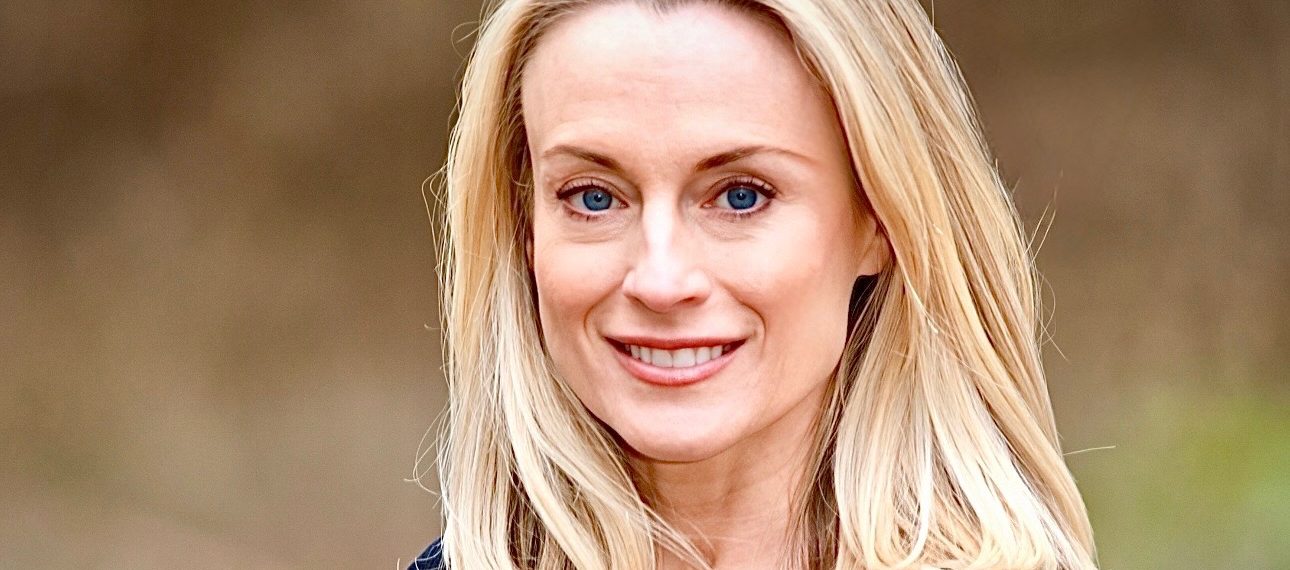
I’m always looking for projects to collaborate on (as Director), especially inspirational stories. I’m also a public speaker and welcome opportunities to speak at events. My websites are www.StaciaCrawford.com and www.SaigeBelleFilms.com
What pulled you into film and TV in the first place?
A Calling? My purpose: love and evolution of myself and the planet via storytelling and creativity.
What do you think the industry gets most wrong about women like you?
Our power, tenacity, creativity, and magic. On purpose. Because in a patriarchy based in capitalism, we are dangerous AF.
What does success mean to you?
Telling well crafted stories that entertain and truly evolve and awaken culture and society to love more and care for each other more on a global level that move the needle, and help us as a planetary society care for, protect, and if necessary save the earth and ourselves. I’m looking for laughter, tears, goosebumps, relief, breath, and full emotional experience, both in the making of it, with fellow healthy artists, the process and the present, as well as the resulting art made.
What are you most proud of that most people don’t know about?
Who I am as a mother and emergency foster mom.
What keeps you going when the industry makes it hard?
Service and activism.
What is one piece of advice you wish you had heard earlier?
Dig deep into life, art, family, love, friends, creativity, meditation, spirituality, and service. Build a rich, deep life that has nothing to do with the industry. Regardless of career success, fall in love with who you are being on this planet.
Anything else you’d like to share?
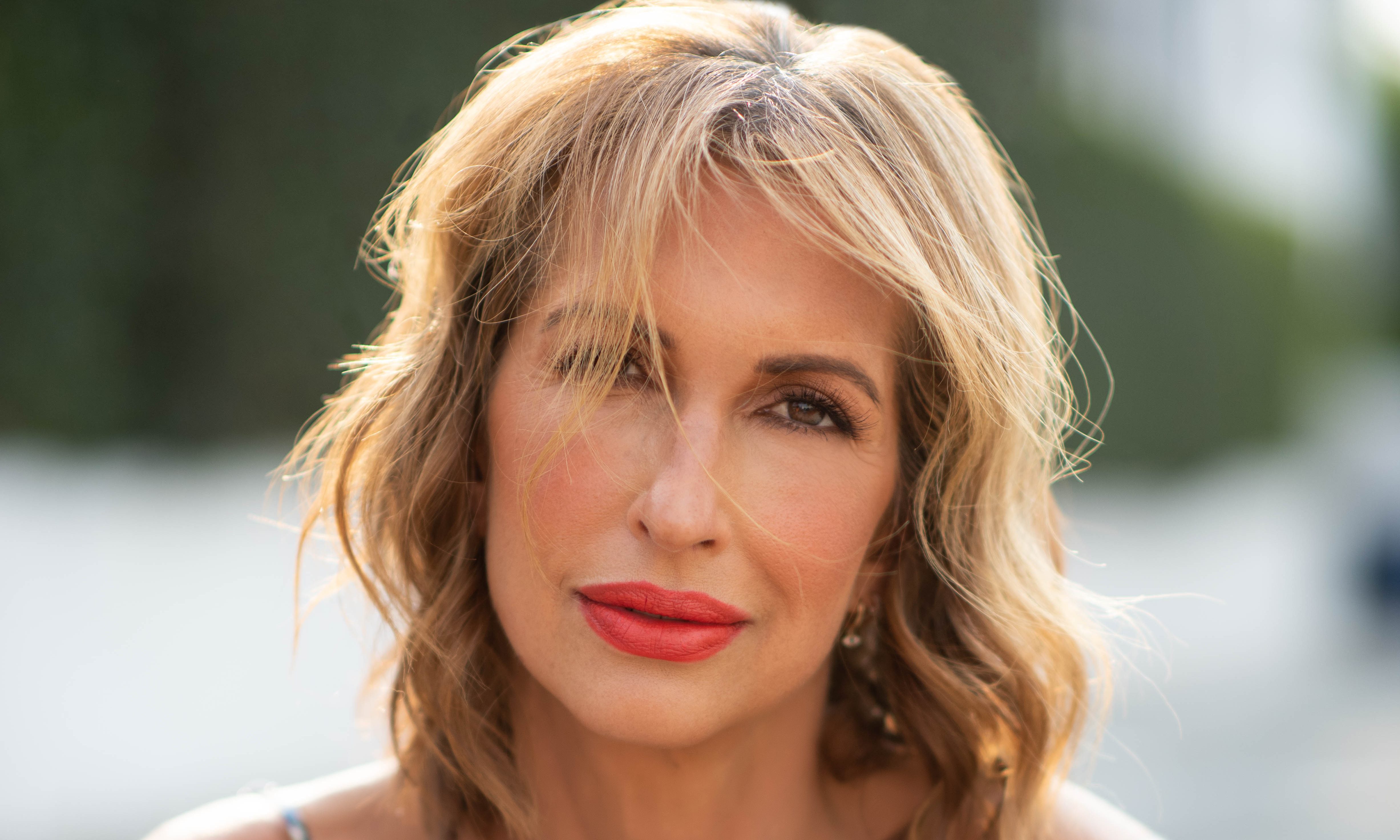
You can see more at @alysiareiner or www.alysiareiner.com and happy to send a full bio, press kit etc.
“Many people have told me that asking for help is a crucial component of success. All successful people do it apparently. I think if someone had told me that earlier in my career, I would have forced myself to adapt and become better at it.”
What pulled you into film and TV in the first place?
I was studying cultural anthropology at New York University in the early 90s when I caught the Madonna documentary, Truth or Dare. It intrigued me that the filmmaker Alek Keshishian, with no advanced degree in anthropology or sociology, was able to capture something so relevant about the times we were living in. As I walked the long journey from Harlem back downtown to the East Village, I made up my mind to drop out of graduate school and pursue a career in documentary filmmaking. I was twenty-three years old and prone to massive over-confidence when making life-changing decisions. But it worked. My first job was as an editor’s assistant on a documentary about the gentrification of Hoboken, New Jersey. It was shot on 16 mm film and I was responsible for organising clips and splicing them together into reels using a Steenbeck, which I’d learned how to use in the one film production course I took at NYU, the legendary Sight and Sound. From there, I took whatever film crew job I could find, working mostly on music videos, commercials, and very low budget indie films. I worked in any department that would have me, art, wardrobe, A.D., production office. I didn’t care. I had found my people.
What do you think the industry gets most wrong about women like you?
I think the film industry, despite efforts to eliminate gender prejudice, still has a strong male bias. Women’s screenplays are considered “women’s stories,” whereas men’s screenplays are just “stories.” The majority of equity financiers are still men and, while I do not believe they are engaged in any conscious effort to discriminate against female filmmakers, I think they are subject to the same ordinary cultural biases that afflict society as a whole. Thus indie films maintain their male bias. Women are still very much swimming upstream. Here’s an anecdote to illustrate this phenomenon. In 2007 I was tapped to write a lady mobster film for a major studio. I spent the weekend drafting a treatment and some sample pages to show them what I could bring to the project. That same weekend both Jodie Foster and Nicole Kidman starred in films that did not perform particularly well at the box office, The Brave One and The Invasion, respectively. Because these were both female-led movies, the studio behind the lady mobster film pulled the plug because, say it with me now, “women don’t open films.” Now, in that same period a number of male-led movies also underperformed: The Assassination of Jesse James by the Coward Robert Ford starring Brad Pitt, Shoot ’em Up starring Clive Owen, In the Valley of Elah starring Tommy Lee Jones, to name a few. But no one, not a single film executive ever, said the words: “Men don’t open films.” I think what the industry doesn’t get is that audiences sincerely do not care if the lead is female or male. They want great stories. But because executives and financiers are always looking for a way to predict and make rational something that is fundamentally unknowable and therefore unpredictable, they will reach for whatever post-facto rationalization they can find. Gender is one of those things.
What does success mean to you?
I am happiest when I’m making films. I like every part of the process, writing, prepping, shooting, editing. The only parts I don’t like are fund-raising and self-promotion, arguably the two most important components of success. So for me success means the ability to make film after film because someone is financing them and someone else is promoting them. To arrive at this state, I have had to override my horror at asking people for money, as well as finding partners who can help find available funding. I don’t believe in the philanthropic side of film funding (BFI, etc.) so I’m strictly working with equity financiers and sales and distribution companies. When I’ve got three films financed and lined up ready to shoot, I’ll feel successful.
What are you most proud of that most people don’t know about?
I have made a habit of leaving careers at their height. I left my film career in 2001 when I was Vice President of Production at Lionsgate Films and had just produced American Psycho and Buffalo ’66. I left to write novels with absolutely no idea how the publishing industry worked. I learned very quickly how hard it is to find a publisher. But I succeeded eventually. The day my literary agent called to tell me that she had three offers on my first novel, Cycler, was one of the proudest days of my life. After a short bidding war, I sold it and a sequel for a sizable advance. I had left a secure and lucrative career to pursue something completely unfamiliar because that was where my creative impulses led me. And it had worked. Eighteen years later, I left the world of publishing to return to filmmaking. Only now I lived in a new country, the UK, and the industry had changed dramatically. Not wanting to return to producing, I retrained as a script supervisor and caught the tail end of the streaming boom, to rise quickly from assistant script supervisor on low budget gaming films, to main unit script supervisor on big budget action films. I had to swallow some pride to go from indie producer of culturally significant films like American Psycho to assistant script supervisor on a video game I’d never heard of. But it too worked. It was the start of phase two of my film career, which would lead me to directing.
What keeps you going when the industry makes it hard?
I’m fortunate to have a variety of income streams. As a multi-hyphenate I can work as a script supervisor, story editor, screenwriter, director, producer, and editor. I also work across different media, feature films, series, commercials, and fashion films. This makes it easier to earn a living. Also, I’m not intimidated by the grim state of the industry right now. Rather I see it as an opportunity. Working in low budget filmmaking in New York City in the 90s exposed me to great uncertainty and constant flux between flush times and slow times. That period also gave rise to the great boom in independent filmmaking, culminating in The Blair Witch Project, American Psycho, and many others. The film industry constantly goes through periods of uncertainty and chaos. The birth of cable TV, home video, then streaming all disrupted previous business models. People panicked. In the 90s people thought Blockbuster Video was going to kill theatrical. It didn’t. What makes this period of disruption different is that it’s lasting longer than previous ones. Usually the industry settles down into a new normal eventually. But now there is no new normal so financiers are essentially greenlighting into the great unknown. What this means is that filmmakers have to be nimble and resourceful. I feel very comfortable there as I pride myself on knowing how and where to spend money to put value on the screen. The challenge for me is figuring out the distribution landscape so that I can budget projects accordingly and that’s what I’m working on.
What is one piece of advice you wish you had heard earlier?
I was fortunate to be at Lionsgate in the early days, before it was even called Lionsgate. We financed our films through foreign pre-sales. So my job was to find projects, budget them, put together potential cast lists then present them to our foreign sales team. They’d tell me how much they could reliably sell a project for in the foreign market, and if the math added up, we’d greenlight and go. I never had to ask anyone for money. Now I’m in the unhappy position of having to ask people for money, which I hate. Many people have told me that asking for help is a crucial component of success. All successful people do it apparently. I think if someone had told me that earlier in my career, I would have forced myself to adapt and become better at it. Now that I’m older it’s very hard to overcome my fear of asking for help. I see myself as a helper, not one who seeks help and I don’t know if there’s enough time to learn this skill. I believe that if I don’t succeed as a filmmaker, this will be the reason.
Anything else you’d like to share?
I returned to the film industry in 2020 when my daughter was twelve. She had just started secondary school and the reduced parenting responsibilities made returning to filmmaking seem plausible. I joined some Facebook groups for London-based filmmakers, introducing myself and writing about my background. Only women responded. I then noticed that there was a kind of loose, unofficial network of women returning to work after raising kids who were incredibly helpful and generous with their time and advice. I wound up working with a number of them in various capacities. It taught me this important lesson: if you want to find the most hard-working, resourceful, get-things-done people for your project, find women returning to work after raising kids. They’ve been through a lot. They know how to prioritise, they’re hungry for creative work, and they have no time for nonsense. I think women in this category are often overlooked and it’s a big mistake. When I get my production company up and running, I am going to ensure that at least 50% of my crew is female. To find out more about my work, you can follow me on insta @laurenmclaughlin3, Twitter @laurenmcwoof, Facebook @lauren.mclaughlin.books, or my website: laurenmclaughlin.net.
What pulled you into film and TV in the first place?
Theater was actually my first love when I was a child, which made sense coming from an artistic family. But life took me on a completely different professional path for many years. When I finally returned to acting at 52, it wasn’t a detour — it was a very conscious, powerful choice. What pulled me into film and television specifically was the realization that the camera demands absolute truth. I suddenly had a lifetime of real-world experience, resilience, and emotional depth that I couldn’t have brought to the screen in my twenties. I chose this medium because it allows me to take all that lived history and use it to portray the complex, strong women I play today.
What do you think the industry gets most wrong about women like you?
I think the industry sometimes assumes that as women get older, their stories become less dynamic or more one-dimensional. There’s this tendency to write a mature character simply as ‘the mother’ or ‘the boss,’ as if maturity strips away internal conflict. In reality, it’s the exact opposite. We are at our most complex, resilient, and magnetic stage. Another thing they often get wrong is misunderstanding what true strength looks like on screen. They sometimes confuse being a strong female character with being loud or aggressive. But the most compelling strength is quiet, layered, and psychologically complex — it’s the authority that comes from a lived life. The camera captures that truth in the eyes, and a mature actress brings a quiet magnetism that doesn’t need to shout to command the screen.
What does success mean to you?
Success means creating an enduring footprint through my work. As I always say, every character leaves a legacy and every story deserves truth. To me, being successful isn’t about the noise or the applause; it’s about connection. It’s when a character I play — whether it’s in a project like La Unidad or The Walking Dead — lingers with the audience long after the final scene. It’s also about using my position to bridge cultures and languages through storytelling, creating opportunities for other artists.
But beyond that, success today means being a visible reference for mature actresses. It’s about proving that it is never too late to pursue your dreams and claim your space in this industry. If my journey can inspire another woman to reclaim her passion at any stage of life, and if my work connects people internationally, that is the ultimate reward.
What are you most proud of that most people don’t know about?
I am incredibly proud of the quiet resilience it took to return to this profession at 52. Leaving a stable career to dive back into the uncertainty of acting requires a level of courage that most people don’t see. When you step back into this industry later in life, you are often entering a space that is deeply obsessed with youth, so it took a lot of mental strength to ignore the doubts, filter out the noise, and remain completely secure in what I had to offer.
I had to realize that my time away from the screen wasn’t a disadvantage — it was my superpower. It gave me a lifetime of real-world experiences, emotional maturity, and a deep understanding of human nature that you simply cannot simulate. Having the bravery to reclaim my path, stand firmly in my own skin, and now bring that raw, lived truth alongside my linguistic and cultural background to international sets — that is definitely what I am most proud of.
What keeps you going when the industry makes it hard?
What keeps me going is the absolute perspective that life and a decade of professional acting have given me. When I turned 52, I made the conscious, powerful choice to reclaim my artistic path. Now, at 62, looking back at my work on international sets and being recognized by my peers, I realize my security doesn’t depend on the industry’s mood; it comes entirely from within.
When the industry makes it hard, I anchor myself in that certainty. I remind myself that my multi-generational heritage and a lifetime of real-world experiences are my greatest assets. I don’t look for external validation anymore. At 62, I am fully aware of the unique depth, the quiet authority, and the truth I bring to the camera. The responsibility and the absolute joy of portraying complex, resilient women is a fire that temporary obstacles simply cannot put out.
What is one piece of advice you wish you had heard earlier?
The piece of advice I wish I had heard earlier is to trust my own timing and stop looking for external validation. When I was young, I had to choose a completely different career path for stability and job opportunities, and for a long time, I felt this intense pressure that any detour was a lost chance.
Now, at 62, looking back at the decade since I returned to professional acting at 52, I realize that those years were not lost at all. They were actually the period where I accumulated the emotional depth, the maturity, and the truth that I now bring to international sets. I wish someone had told me earlier: ‘Don’t be afraid of the time away; your multi-generational heritage, your languages, and your lived history are already enough.’ Understanding that my practical path wasn’t taking me away from my art, but preparing me to walk it with absolute authority, would have saved me a lot of doubts.
Anything else you’d like to share:
If I could leave anyone reading this, especially women, with just one thought, it would be that it is never too late to reclaim your passion and claim your space. Looking back and seeing where I am today at 62 has taught me that our stories, our maturity, and our lived experiences are vital for the screen. Your timing is uniquely yours.
Right now, people can find more about my work by watching Season 2 of La Unidad as Naima Ibrahim on Movistar+ and, of course, the currently available Season 3 of The Walking Dead: Daryl Dixon as Doña Marga on AMC+.
Furthermore, this mid-October, I am thrilled to start filming the upcoming American action-drama A Cry In The Dark, where I will portray a powerful Spanish drug lord. It is exactly the kind of character I am drawn to—women of remarkable strength, quiet authority, and intense psychological complexity. I am always looking to connect with visionary directors, writers, and producers internationally who want to tell stories that explore resilience and identity. If you have a project that deserves absolute truth, I am ready to bring it to life.
What pulled you into film and TV in the first place?
Ever since I was a kid, I have always been passionate about storytelling. I grew up loving films, acting, and creating stories, but as I got older, I realized how rarely authentic stories and accurate representation are shown onscreen and stage especially as a Deaf person. Often times our stories are told inaccurate in a harmful ways or even hearing Actors playing a Deaf character which robs our opportunities, our story, and our voice. Instead of waiting for ableist system to finally come around to give me opportunities or for someone to decide whether I was “worthy” of playing a role simply because I am Deaf, I decided to create my own opportunities. My stories matters. My life experience matters. My voice matters. That is why I created and founded Annabelle Louise Productions.
I have been in the industry for over 35 years and have written three tv series, and four feature films and am still working hard to get them all greenlit. My goal is not only to tell compelling, authentic stories, but also to create opportunities for people who have historically been underrepresented both in front of and behind the camera. There is so much talent, creativity, passion, and capability within underrepresented communities. The problem is not a lack of talent. The problem is a system that too often refuses to see it, invest in it, or provide equal opportunities.
As a Deaf artist, I know firsthand what it means to navigate audism — the oppression, discrimination and rejection that Deaf people experience because they are Deaf. I have spend years navigating those barriers, but refuse to let them define what I can create. I’m not waiting for someone else to open the door. I’m building my own door and hoping it open for others. Authentic representation matters. Inclusion matters. Accessibility matters. And our stories deserve to be told by the people who have lived them. I create because I believe we are capable. We are talented, We all have stories to tell.
What do you think the industry gets most wrong about women like you?
You don’t know me until you meet me. I strongly believe that both the entertainment industry and society have often perceived me as “dumb,” “incapable,” or “less worthy” simply because I am Deaf — and because I am a woman. Where do these perception come from? They can begin with what the society is taught to believe about people who are different. They can come from medical professionals, parents, teachers, families, friends, employers, and institutions that unknowingly or knowingly reinforce assumptions about what a Deaf person can or cannot do.
But let me be clear I’m Deaf not Dumb. I’m Deaf not Lazy. I’m Deaf not incapable. My accomplishments speak for themselves. I hold an AA Degree in Theatre, a BS in Corporate Communication, a MS in Education, as well we certification and professional training in Films/TV, the Business of Entertainment, Intimacy Coordination/Direction and Mental Health Coordination. I am an actor, filmmaker, screenwriter, director, producer, creative professional. And have produced 4 shorts, and three of them are award-winning films, and still continue to working hard to greenlit my features and shorts.
And yet, despite my education, experience, skills, and decades of dedication to the entertainment industry, I still struggle to even get an interview for employment. Sometimes the barrier isn’t my qualification. The barrier is whether someone ever takes the time to see me beyond a label. Human resources system, Studios, Producers can filter people before they have the opportunity to speak for themselves. Automated hiring systems, email screening and AI-driven screening can reinforce barriers when resumes doesn’t fit a predetermined formula. And when assumptions about Deafness are already present, the door can close before I even have a chance to walk through it. That is incredibly frustrating.
Because time and time again, I have discovered something: People are often wrong about me until they meet me. Once we actually sit down, communicate, exchange ideas and have a conversation, suddenly they discover that I am capable, educated, creative, passionated, talented, experienced, determined and full of ideas. So instead of judging me from a resume, checkbox, assumption, or an algorithm, I invite you to meet me. Let’s grab a coffee and chat. Let’s talk about storytelling, representation, accessibility, business, creating and opportunities. You might discover that the person you thought you knew from a label is nothing like the person sitting across from you.
I’m not asking for sympathy. I’m asking for opportunity. I’m asking you to look beyond the assumptions. Because when you give people the opportunity to be seen, heard and valued for what they can actually contribute, everyone wins. So If you believe in authentic representation, inclusion, accessibility, and creating meaningful change — and yes, let’s grab the coffee and chat!
What does success mean to you?
What success mean to me, as success can mean so many different things in life. For me, a true success is much bigger than money, awards, credits or recognition. True success is when all human beings, including the Deaf and Disabled people are seen and treated equally. It is a world where accessibility exists everywhere without us constantly having to advocate, educate, explain, fight, or battle system that were never designed with us in mind. It is a world where Deaf and Disabled people have genuine opportunities in life and in their careers not because someone feels sorry for us but because our talent, skills, creativity, and humanity are recognized. It is a world where inclusion is real. Where accessibility is expected. Where safety matters. Where we don’t have to fight just to belong. That would be a huge success.
Honestly, sometimes I wonder if I will ever see that world in my lifetime. Deaf and Disabled people have been fighting against discrimination and oppression for generation which the fight feels endless. But I still have hope. I hope through my authentic story telling, I can reach people. I hope my stories can make someone think differently. I hope they can be reminded people that behind label is a human being with dreams, feelings, talent, experience, and a story worth hearing. Maybe I cannot change the entire world. But if I can change one person’s perspective, open one door, create one opportunity, then my work matters.
And right now, my personal definition of success is very specific. I want to see Bell’s Darkness greenlit. I’m actively seeking funding, partnership, and in-kind support to bring this powerful, authentic feature film to life. But this film means far more to me than simply making a movie. It is connected to a promise I made to my beloved Annabelle Louise Schaefer, the CEO of Annabelle Louise Productions, who has passed away. I am keeping that promise. I have carried this dream through years of oppression, rejection, discrimination, audism, and countless moments when society and the industry made me question whether there was a place or someone like me. I’m still here, still moving forward and the day will come when Bell’s Darkness has its red-carpet premiere. And when I stand there looking at the screen, surrounded by the people who helped make it possible, I know exactly what I will say. I will cry, and say “Annabelle, we did it” and it will be a proof that rejection does not have to be the end of the story. Sometimes, you have to become the person who creates the opportunity you were never given.
What keeps you going when the industry makes it hard?
A promise, a love, a legacy. It is my promise to my beloved late Annabelle Louise Schaefer, carried forward with the love we shared. Annabelle believed in me, in my dreams, and in the stories I wanted to tell. Her love became part of the foundation upon which I continue to create. She may no longer be here on this earthly presence but her love remains with me — in my heart, in my work, and in every step I take.
What is one piece of advice you wish you had heard earlier?
I don’t have any advice that I wish I had heard, but am navigating this alone with the love that Annabelle has given me.
Anything else you’d like to share?
I’m always looking for dedicated passionate collaborators to come together to bring stories to life as well as roles to portray, as I’m a human just like you all as I do not want to be limited due to the assumptions of me. Anything is possible once we all open our mind, eyes and heart. Contact me, and let’s get creative as well as to make a difference together!
What pulled you into film and TV in the first place?
I was a novelist first, and then I helped others create their stories through indie film while I acted as producer and casting director. When I tried my hand as screenwriter and director, I never looked back.
What do you think the industry gets most wrong about women like you?
Do not confuse my/our quiet demeanor, age, sex, potential differing abilities or stature for submissiveness. When we set a goal, we figure out how to do it. Our unique and empathetic way of creation can be boundless.
What does success mean to you?
Success to me is being able to tell the stories I want to tell using whichever medium works best and getting those stories and films to the people who need to see them while being able to pay my bills.
What are you most proud of that most people don’t know about?
My creativity is pretty boundless. It doesn’t take me long to build a world around a single thought, look, person or event.
What keeps you going when the industry makes it hard?
I’ve set myself up with income streams so that when things are tough financially, I can still make movies, albeit smaller movies. If things are really tight, I can write novels, stories and scripts. It’s all about the art of creation, and there are different ways to achieve that.
Anything else you’d like to share?
My latest feature, Wait List: A Love-ish Story became a Spotlight Film on Prime Video, is now screening on Tubi and GooglePlay and is headed to the Youtube channel next. You can find out more about Wait List: A Love-ish Story, my features which are currently in post production; Couple of Guys and From the Embers, where my short films are screening as well as upcoming projects at www.IntentionFilmsandMedia.com under Explore Our Films. Some of my older shorts are our youtube channel @debramarkowitz On Instagram, I post news about the projects as well as casting and crew notices and many, many pictures of my dog at @debramarkowitzfilms
As far as collaborators, the most important thing we need are producers who are able to raise funds, or those who understand how to promote the projects, find locations or other services for little or no money – the bane of every independent filmmaker’s existence.